After my car accident, I went through an incredibly challenging time. Thanks to Lawyer Jun Lee and his exceptional team, I received tremendous support and strength.
Jay Kim
Personal Injury Client


Trusted by accident victims and businesses across Ontario
Overview
Facing a catastrophic or serious injury in North York? Our experienced catastrophic and serious injuries lawyers in North York carry the gravest files in personal injury law. We act on spinal cord injuries including paraplegia and tetraplegia, severe traumatic brain injuries, amputations and permanent loss of limb function, and multiple and complex fractures. We act on severe burns, including the files that pass through Sunnybrook's burn centre, and on vision loss. We also carry the marked psychological impairments the law now ranks alongside physical ones, and the chronic pain and combined-impairment cases that change lives without a single dramatic diagnosis.
Our team has recovered over $30M+ for injured clients across North York, Ontario and the GTA. In this practice area, one legal distinction does more work than any other.
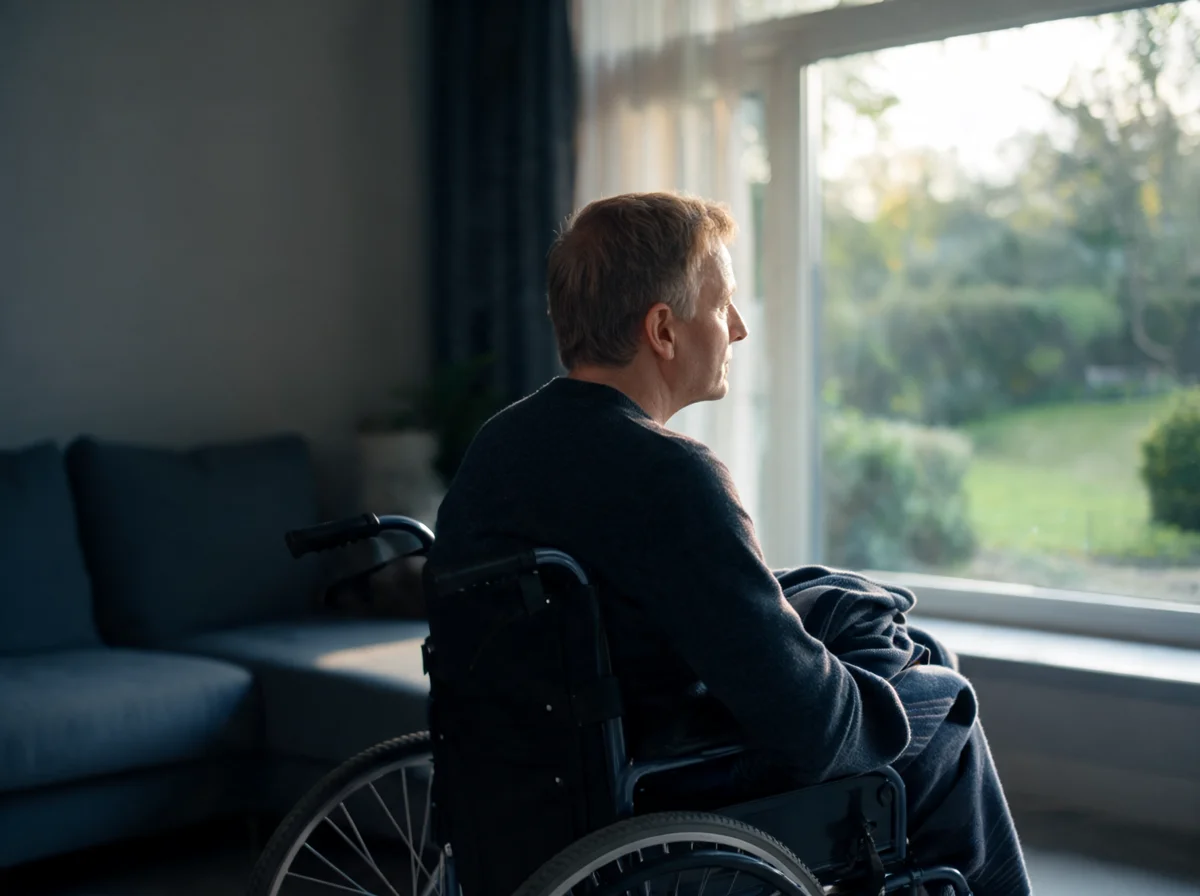
A catastrophic injury is what happened to your body. A catastrophic impairment is a legal designation. The designation, not the injury, is what unlocks the money.
Here is why that distinction is worth, quite literally, close to a million dollars. Under Ontario's Statutory Accident Benefits Schedule (SABS), a motor-vehicle accident victim whose injuries are classified non-catastrophic can access a maximum of $65,000 in combined medical, rehabilitation, and attendant care benefits over five years. A serious injury exhausts that sum in months.
A victim designated catastrophically impaired (CAT) can access up to $1,000,000 combined for medical, rehabilitation, and attendant care. That funding lasts for life, rather than stopping after a set period. The designation also brings case management with it (someone to coordinate your care), paid out of the medical and rehabilitation benefits rather than bought as separate coverage. Housekeeping sits beside case management, but you only have housekeeping coverage if it was purchased as an option on the policy.
One thing should be said plainly from the first phone call, because families read about the July 1, 2026 reform and assume the ground has gone out from under them. It has not. The three benefits a catastrophically injured person lives on, medical, rehabilitation, and attendant care, are still mandatory on every Ontario auto policy. You have all three, and both tiers above are yours, whatever coverage was bought. The reform also moved the auto insurer to the front of the payment line on medical and rehabilitation claims, so your own extended health or employer coverage is no longer drawn down ahead of it.
What did change is the rest of the Schedule. Income replacement, non-earner and caregiver benefits, housekeeping and home maintenance, and death and funeral benefits became optional purchases, under narrowed eligibility, so those turn on what the policy actually carries. None of that alters the point that follows. The same crash and the same wheelchair can produce two completely different files. The difference between them is the designation. For most seriously injured clients, obtaining the CAT designation is the single most important step in the entire claim, and insurers fight it like the seven-figure question it is.
The designation runs through defined criteria, and it is worth knowing what each of them requires. The first is paraplegia (paralysis of the legs) or tetraplegia (paralysis of all four limbs), where the paralysis is as permanent and as severe as the rules require. The second is severe impairment of ambulatory mobility or arm function, meaning your ability to walk or to use an arm is severely limited, including where you depend on a wheelchair, walker, or other mobility device, and including amputations and permanent loss of use. The third is loss of vision in both eyes.
The fourth door is severe traumatic brain injury. For adults it is confirmed on imaging and rated on the Glasgow outcome scales (standardized medical ratings used to measure recovery from brain injury) at defined time points: vegetative state at one month, upper or lower severe disability at six months, and lower moderate disability at one year. Separate pediatric criteria recognize how children's brain injuries declare themselves, through designated trauma-centre admission, or impairments at defined follow-up points on validated children's scales.
The fifth door is 55% or more whole-person impairment (WPI), meaning physical impairments combined and scored under the American Medical Association (AMA) Guides, 4th Edition. The sixth is Class 4 (marked) impairment in three or more areas of mental or behavioural function, the criterion that brings severe psychological injury fully inside the designation.
The last two, the combination criteria, are the most litigated doors in the system. They are where the insurer's numbers and yours diverge. A client with a moderate brain injury, a crushed leg, chronic pain, and depression may pass 55% in combination while no single injury would, if the assessments are done, done by the right specialists, and combined correctly.
That is where the fight over assessments begins. On one side are the insurer's section 44 examiners, doctors the insurer chooses and pays to assess your injuries. They routinely conclude the criteria are not met, even where your own treating physicians say otherwise. In Padernal v Security National (2026 LAT), the insurer resisted for years, then reversed its own CAT denial on the last business day before the hearing and conceded Criterion 8, the mental and behavioural impairment door. On the other side is the comprehensive CAT application we build for you. It draws on specialists in physiatry (rehabilitation medicine), neuropsychology, orthopaedics, psychiatry, and occupational therapy, and on the AMA-rating credentials needed to score it. In Lowell v Intact (2026 LAT), that approach won a Criterion 8 designation and $3,526.30 per month in attendant care for a rear-end collision victim whose injuries included post-concussion syndrome, PTSD, and major depressive disorder. Behind it stands the Licence Appeal Tribunal litigation that wins it when the insurer says no anyway.
Funding and coordinating those assessments is precisely what a catastrophic practice is for. We carry them on our contingency, because the designation should never depend on what an injured family can spend pursuing it.
And the designation is only half the file. The tort claim (a lawsuit against the person or party at fault) runs alongside at the scale these injuries command, against the at-fault driver, the trucking company, the property occupier, or the manufacturer. Catastrophic cases regularly resolve in the seven figures, because that is what a lifetime costs when it is priced honestly.
The damages add up under several headings. Pain and suffering sits at the top of Ontario's range. Income loss covers every year you would have worked, so a career cut short at thirty is valued across all of it. Future care is built by life-care planners. It covers attendant hours, therapies, equipment and how often that equipment must be replaced, and accessible housing and transportation, and economists price it across decades. Your family can also bring their own claims under the Family Law Act (FLA), covering the care they now provide and the companionship the injury took.
Serious-but-not-catastrophic injuries are built the same way at their own scale. They run through the verbal threshold (the legal test you must meet to sue for pain and suffering after a car accident), meaning permanent serious impairment of an important function. Our fracture, chronic pain, and soft-tissue practices fight that threshold daily.
The endgame is built for permanence too. Structured settlements turn lump sums into guaranteed lifetime income. Court approval and protected funds follow where minors and incapable adults are the victims. Coordination with LTD, CPP disability, and the estate planning a changed life demands is routine when the practice sits under one roof.
This page is the summit of our injury practice. The dedicated TBI, spinal cord, amputation, burn, fracture, and chronic pain pages each carry their own playbooks. This one carries the designation, the lifetime costing, and the promise that the gravest cases get the firm's deepest bench.
Get in touch
Tell us what happened and a lawyer will personally review your case. Personal injury consultations are free and there are no fees unless we win. For all other practice areas, a consultation fee applies.
Prefer to call? (416) 661-4529

Background
The area's gravest cases trace its geography. The 401 and Allen Road collisions fill Sunnybrook's trauma bays. The Keele-corridor industrial injuries bring the crush, the fall from height, and the machine. Pedestrians are struck on the wide arterials Vision Zero maps, and a part of the city forever building produces its construction falls.
Then comes the long road after. It runs from North York General and Humber River to the rehabilitation network, and home again to houses that suddenly need ramps, and lives that need re-pricing from the ground up.
The doors, one by one. Paraplegia and tetraplegia, with the permanence and severity the Schedule prescribes. Severe ambulatory and upper-limb impairment, meaning the amputations, the permanent loss of use, and the mobility catastrophes short of paralysis. Bilateral vision loss.
Severe traumatic brain injury comes next. Adults are rated on imaging plus the Glasgow outcome scales at defined intervals. Those one-month, six-month, and one-year measurements make early legal involvement a medical-evidence issue, not just a deadline one. Children are assessed under pediatric criteria that respect how young brains declare injury over time, through trauma-centre admission, validated outcome scales at follow-up points, and the school and developmental evidence our child injury practice knows.
Then 55%+ whole-person impairment, with every physical impairment scored under the AMA Guides and combined. That is the door for the client whose catastrophe is cumulative.
Last comes Class 4 marked impairment in three or more areas of mental or behavioural function. This is the psychological door, opened by psychiatric and neuropsychological evidence, and by the recognition that a mind can be catastrophically injured in a body that walks.
The fight over assessments, honestly. Treating physicians support designation. The insurer's section 44 assessors, examiners the insurer selects and pays, conclude otherwise with statistical reliability. The gap is resolved by evidence quality and tribunal advocacy. Our applications are built to win at the LAT, because that is where contested designations are decided, and applications built to hearing standard have a way of being granted without one.
What the designation changes, concretely. The $65,000 ceiling becomes $1,000,000 combined for medical, rehabilitation, and attendant care. The five-year horizon becomes lifetime. Case management attaches, funded out of the medical and rehabilitation benefits rather than bought as coverage, and housekeeping is the piece beside it that still turns on an optional purchase. Practically, the rehabilitation that was about to stop for funding reasons continues, and for families mid-crisis that last sentence is the whole point.
The July 1, 2026 reform does not reach either ceiling. Medical, rehabilitation, and attendant care stayed mandatory, so both the $65,000 tier and the $1,000,000 tier are live on every policy in the province. What we read the policy for is the optional layer beside them, because housekeeping, income replacement, and non-earner and caregiver benefits now have to have been bought, under narrowed eligibility. We also confirm the auto insurer is paying ahead of your own extended health or employer plan on medical claims, as it now must.
Not sure where you stand? One conversation will tell you.

Not every life-changing injury is CAT, and the serious tier has its own rules. The verbal threshold, meaning permanent serious impairment of an important physical, mental, or psychological function, gates vehicle-case pain-and-suffering claims. We fight it with the documentation discipline our fracture, chronic pain, and soft-tissue practices run.
The $65,000 benefits tier is managed so it funds what matters most, and the tort claim is built at full honest value. "Not catastrophic" never means "not compensable," and six-figure claims deserve the same rigour as seven-figure ones.
The life-care plan is the financial core of the case. It covers attendant care hours across decades, and physiotherapy, occupational, speech, and psychological therapies. It covers equipment and its replacement cycles, the wheelchair every five years and the prosthetic every three. It covers home modification or relocation, accessible transportation, medication, and supplies. Certified life-care planners assemble it, economists price it, and experts who testify defend it.
The income claim values the career interrupted or ended, across the working life that was. It draws on earnings history, trajectory, and the promotions that will not happen. For young victims, it values the earning capacity that never got to begin, built from education and potential.
The family's claims come next. Ontario's Family Law Act compensates spouses, children, parents, and siblings for the care they now provide and the guidance, care, and companionship the injury took. Our practice builds these alongside the main claim, never as afterthoughts.
The structure comes last. Seven-figure recoveries serving seventy-year needs demand engineering. Structured settlements convert capital into guaranteed, tax-advantaged lifetime income. Court approval and the Public Guardian's oversight protect minors and incapable adults. Trusts and the estate-plan integration our wills practice completes finish the work. The settlement is not the end of the file. The secured future is.
By the numbers
The designation, the criteria, and what a lifetime costs.

The file that changes everything
There is a version of this that families are handed by default. The benefits trickle at the non-CAT tier. The rehab hours are rationed. The adjuster's assessors conclude the criteria "are not met." The settlement offer arrives while everyone is still exhausted, and a lifetime is quietly priced at a fraction of its cost.
And there is the other version. The designation is fought for and won. The care is funded at the tier permanence requires. The lawsuit is valued across the actual decades, and the future is structured to hold. The difference between the versions is not the injury. It is the file. We build the second version, from the first week, at no cost unless we win, at Finch and Keele, at the bedside, in your language.
The deadlines here are shorter than most people expect.
Step by step
Our process
Important
Catastrophic cases run on two kinds of time at once. The legal clocks include the two-year tort limitation, the benefit windows, and the LAT deadlines that run per denial. The criteria carry their own calendars: Glasgow outcome ratings measured at one month, six months, and one year, and pediatric assessments at defined follow-ups. WPI scoring also has to wait for maximum medical recovery, the point where your recovery levels off, and someone has to judge that moment correctly. Engaging counsel early does not just protect deadlines. It ensures the assessments happen at the moments the criteria are measured. Contact a catastrophic injury lawyer in North York this week.
Every situation is different. Yours deserves a specific answer.
Know their playbook
In the news
Ontario's accident-benefits story is a tiering story. Successive reforms cut non-catastrophic benefits to the $65,000 combined ceiling, while the catastrophic tier sits at $1,000,000 combined for medical, rehabilitation, and attendant care. The July 1, 2026 reform then left medical, rehabilitation, and attendant care mandatory on every policy, moved most of the other benefits into optional purchases under narrowed eligibility, and placed auto insurance first on medical claims, ahead of extended health plans.
Together those changes make the CAT designation the system's decisive gate, and the LAT's designation disputes some of its most consequential litigation. The clinical world evolves alongside, through outcome-scale criteria for brain injury, pediatric assessment frameworks, and the AMA Guides' method for scoring impairment.
Consumer advocates keep noting what every catastrophic practice knows. Care is covered for everyone. What a household can still buy, income replacement above all, is the cheapest protection available against a catastrophic injury, and since July 1, 2026 that choice has to be made before the crash rather than after it.
For North York's families the takeaway is the page's whole argument. The system's gravest gap is between its two tiers. The designation is decided on evidence built at defined moments. The families who engage the fight early, with the assessments funded and the criteria's calendar respected, are the ones the system's top tier was actually written for.
Rather ask someone who handles these matters every week?
Why VC Lawyers
Choosing wisely
Before entrusting any firm with this, ask a few hard questions. Do they treat the designation as the case it is, with every qualifying route assessed, the combination criteria run, and the criteria's calendar respected? Will they fund the assessments, meaning the specialists, the AMA scoring, and the LAT litigation, on contingency? Do they price lifetimes with life-care planners and economists, not settlement-table estimates?
Then keep going. Is there a real bench behind the file, with TBI, spinal cord, amputation, and burn practices under one roof? Will they engineer permanence, through structures, protections, and coordination? And are they genuinely prepared to try the seven-figure case?
At VC Lawyers, the answer to each is yes, from an office in the heart of North York, on a contingency arrangement that funds the evidence and is paid out of a recovery, in your language.
Still weighing what to do next? That is what a first conversation is for.
Verified Reviews
4.8 rating of 140 reviews
After my car accident, I went through an incredibly challenging time. Thanks to Lawyer Jun Lee and his exceptional team, I received tremendous support and strength.
Jay Kim
Personal Injury Client
He helped me with both my car accident case and the buying and selling of my home. Everything was handled professionally and efficiently.
Yoon Jung
Personal Injury & Real Estate Client
Vaturi & Cho LLP is an outstanding law firm. They explain even complex matters clearly, and their dedication to achieving the best outcomes is truly impressive.
Jong Ko
Client
The fact that I could consult with a Korean lawyer in my own language was an enormous comfort.
Grace Hong
Personal Injury Client
The office of Lawyer Jae Hyon Cho handled my case quickly and worked their hardest to wrap things up exactly the way I wanted. I'm so grateful. Every staff member was kind.
KYOUNGHEE AN
Personal Injury Client
We've worked with them on several urgent tasks for real estate and corporation related matters and his professionalism and client-centered work have been incredibly helpful for us.
Jinah Lee
Real Estate Client
They are professional, responsive, and knowledgeable. Jae took his time to explain the many pages of legal jargon that would otherwise be difficult to understand.
Kevin Chiu
Client
After my car accident, I went through an incredibly challenging time. Thanks to Lawyer Jun Lee and his exceptional team, I received tremendous support and strength.
Jay Kim
Personal Injury Client
He helped me with both my car accident case and the buying and selling of my home. Everything was handled professionally and efficiently.
Yoon Jung
Personal Injury & Real Estate Client
Vaturi & Cho LLP is an outstanding law firm. They explain even complex matters clearly, and their dedication to achieving the best outcomes is truly impressive.
Jong Ko
Client
The fact that I could consult with a Korean lawyer in my own language was an enormous comfort.
Grace Hong
Personal Injury Client
The office of Lawyer Jae Hyon Cho handled my case quickly and worked their hardest to wrap things up exactly the way I wanted. I'm so grateful. Every staff member was kind.
KYOUNGHEE AN
Personal Injury Client
We've worked with them on several urgent tasks for real estate and corporation related matters and his professionalism and client-centered work have been incredibly helpful for us.
Jinah Lee
Real Estate Client
They are professional, responsive, and knowledgeable. Jae took his time to explain the many pages of legal jargon that would otherwise be difficult to understand.
Kevin Chiu
Client
Our team
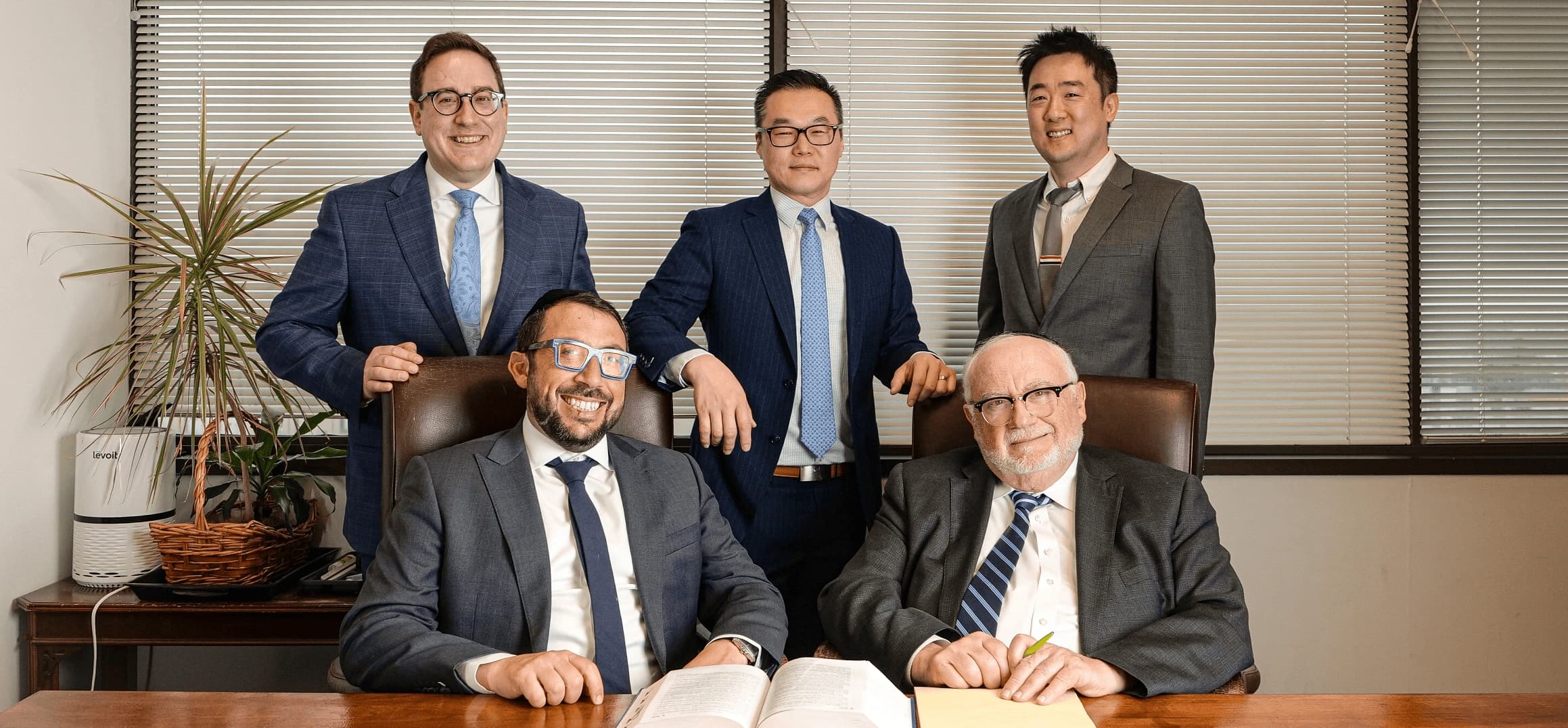
Our lawyers bring decades of combined experience to the gravest cases in injury law, with designations won, lifetimes priced, and futures structured. The dedicated TBI, spinal cord, amputation, burn, and fracture practices stand behind every file. Every family works with a dedicated North York catastrophic injury lawyer who carries the claim so they can care for the patient.

Senior Counsel

Partner
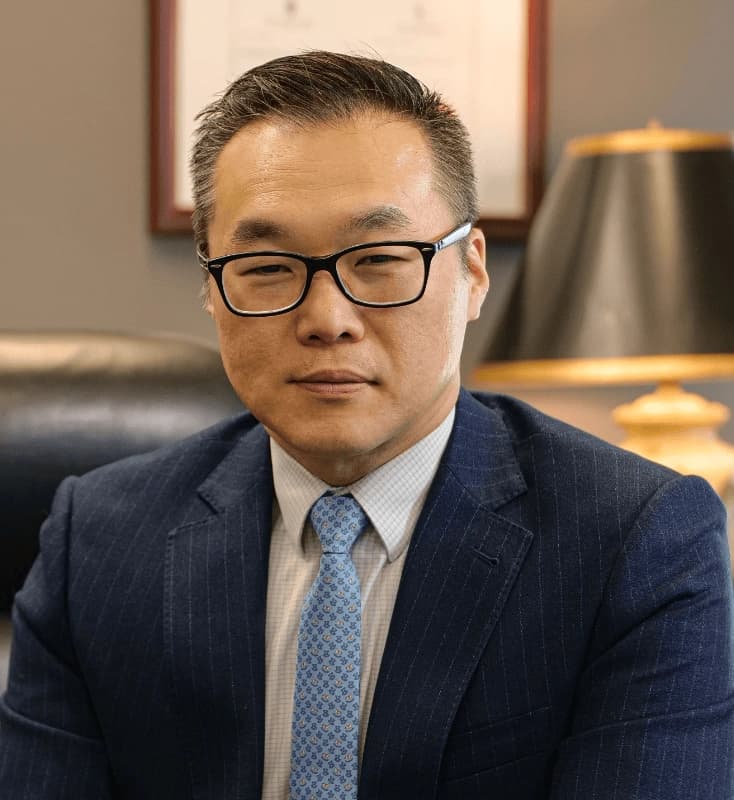
Co-Managing Partner
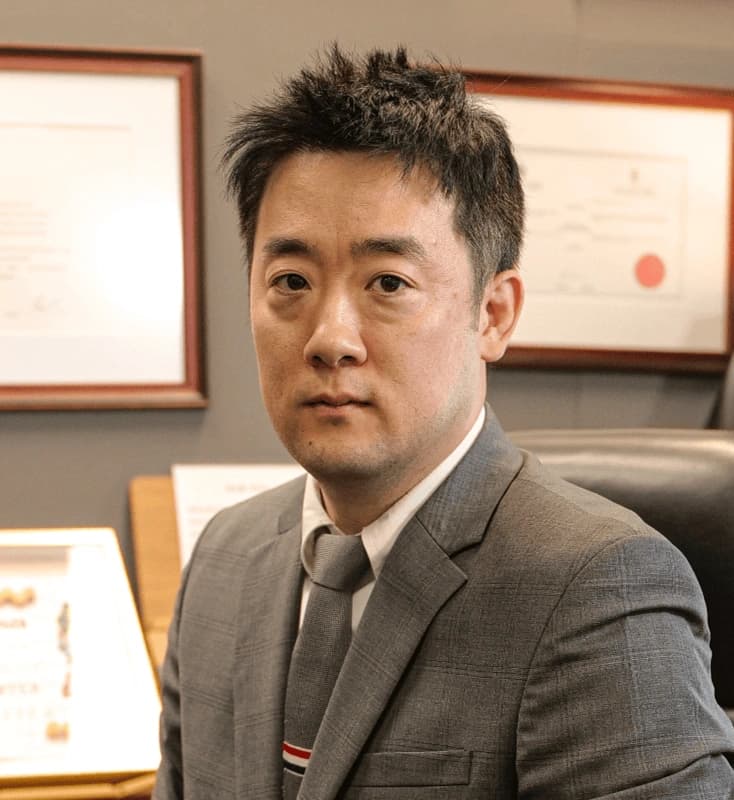
Lawyer
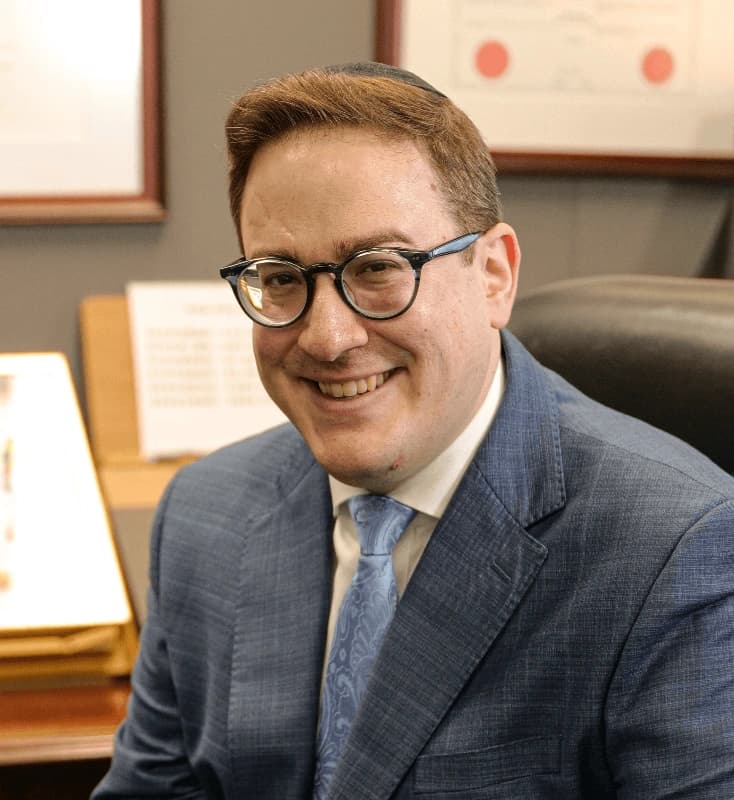
Lawyer
Who handles your file
You do not need the full story figured out before you call.
Key metrics
Talk to us
If you or someone you love has been seriously injured, bring what exists: the diagnoses, the imaging reports, and the current benefits picture. We will tell you whether the catastrophic criteria are realistically in play, what the designation would change, and what the tort claim looks like at honest lifetime scale. The consultation is free, and we come to you at home, at the hospital, or at the rehab facility, anywhere in the GTA.
There is no fee unless we recover. We are available 24/7, in 8+ languages.
Frequently asked questions
North York catastrophic injury lawyers
Service areas
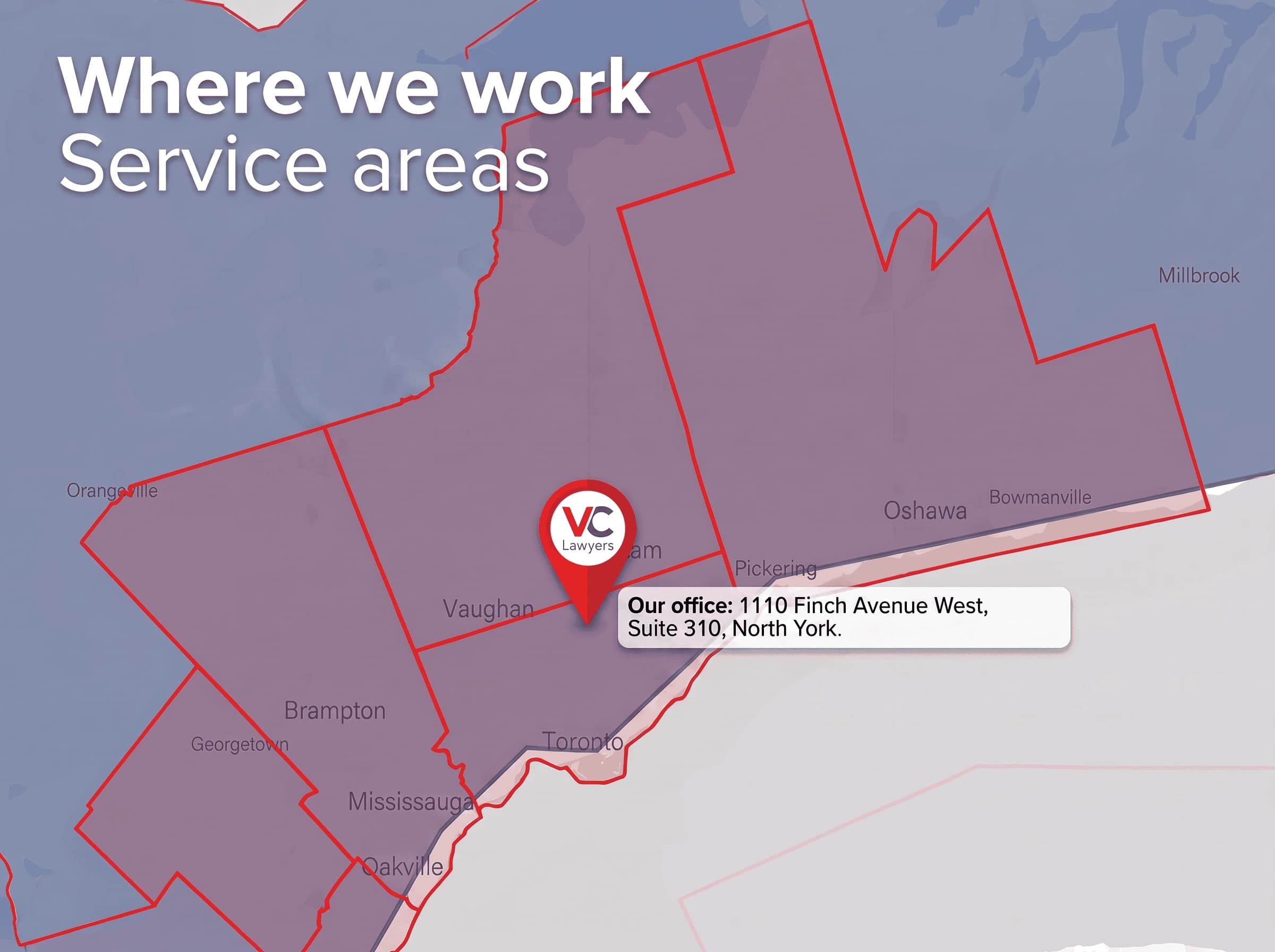
From our office at Finch Ave W and Keele, we represent catastrophically and seriously injured clients across all of North York, including Willowdale, Don Mills, Downsview, York Mills, Bathurst Manor, Lansing, Newtonbrook, Bayview Village, Flemingdon Park, Jane and Finch, Yorkdale and Glen Park, Clanton Park, Parkwoods, and Victoria Village. We also serve neighbouring communities in Vaughan, Thornhill, Richmond Hill, Markham, Scarborough, Etobicoke, and Downtown Toronto.
Whatever caused it, whether the 401 collision, the industrial crush, the construction fall, or the struck pedestrian, our North York catastrophic injury lawyers come to you. Wherever recovery has taken you, whether Sunnybrook, North York General, Humber River, or the rehabilitation network beyond, we offer home, hospital, and rehab visits with 24/7 availability.
Our office is at 1110 Finch Ave W #310, near Finch and Keele, with parking on site. By transit, take the Finch West LRT or the bus network connecting from Finch West Station on Line 1. If your injuries or circumstances make travel difficult, we come to you at home or in hospital, anywhere in North York.
Related practice areas
The Toronto page for this practice area.
Our full North York personal injury practice.
Also serving North York.
Also serving North York.
Also serving North York.
Also serving North York.
Also serving North York.
Also serving North York.
Also serving North York.
Also serving North York.
Also serving North York.
Also serving North York.