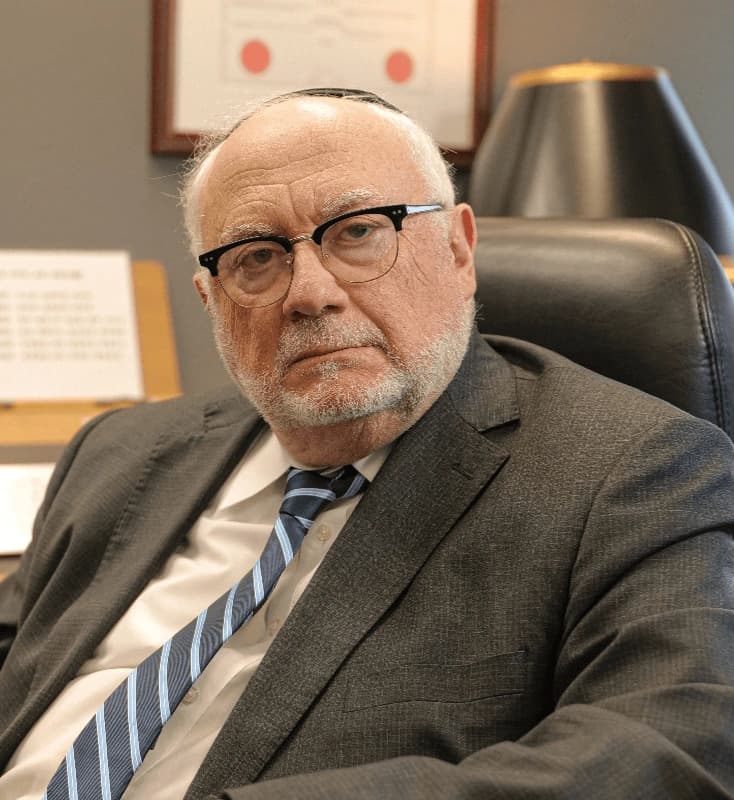
Maurice Vaturi
Senior Counsel

Catastrophic Injuries


Trusted by accident victims and businesses across Ontario
Overview
The phone call comes from the trauma surgeon at Sunnybrook, or the resident at St. Michael's, or the orthopedic specialist at UHN. The collision was severe. The crush injury was unsalvageable. The attempt to save the limb has failed. To save the patient's life, the limb must come off. The family, still wearing yesterday's clothes after 36 hours in the surgical waiting area, signs the consent form. The surgery proceeds. The patient survives.
Then the longer, harder reality begins. Phantom limb pain that feels nothing like what the medical pamphlets describe. Months in hospital and rehabilitation. The first prosthetic fitting that reveals how much a residual limb has changed since the operation. The second fitting. The fifth. The realization that the prosthetic that fits today will not fit in eighteen months because the limb continues to change. The accommodations needed at home: wider doorways, ramps, modified bathrooms, lifts. The vehicle modifications. The professional rehabilitation that lasts years, not weeks. The vocational retraining for someone whose pre-accident career is no longer possible. The psychological weight of waking up every morning to a body that no longer feels like the body you grew up in.
Behind every amputation is a family whose financial life has been upended at the same moment that everything else is upended. Lost income for months while the injured person is in hospital. Lost income permanently in many cases. Out-of-pocket expenses for treatment, equipment, and modifications that exceed anything insurance is offering. A future stretching ahead with care needs that, properly priced, climb into the millions of dollars over a lifetime.
Ontario law does provide compensation for amputation victims, and it can be substantial when the legal claims are properly pursued. Under the Statutory Accident Benefits Schedule (SABS), an amputee injured in a motor vehicle accident will generally meet the catastrophic impairment criteria once the application is filed. The threshold is an amputation that is trans-tibial or higher, which means at or above the calf. Catastrophic designation raises the combined limit for medical, rehabilitation, and attendant care benefits to $1,000,000, or to $2,000,000 where the optional higher limit was purchased. Beyond SABS, a tort claim against the at-fault driver can recover damages for pain and suffering, future cost of care, lost earning capacity, and other losses. Those damages can substantially exceed the SABS limits. Workplace amputations engage the WSIB system. Defective product amputations engage product liability law. Every amputation engages multiple legal frameworks simultaneously.
There is always a catch. These compensation systems do not flow automatically. Insurers contest catastrophic impairment designations. They contest the scope of attendant care needed. They contest the cost of prosthetics and the frequency of replacement. They challenge future care plans, dispute vocational rehabilitation needs, and minimize pain and suffering claims. Behind every denied or reduced claim is a calculated decision by the insurance company to pay less than what the amputee actually needs.
This page is a comprehensive guide to amputation injury claims in Ontario. It explains the catastrophic impairment framework, the compensation available, the strategies insurers use to reduce payouts, and what amputee clients should know about pursuing their full legal entitlements. It is written for amputees and their families, for the parents of amputee children, for the spouses managing care, and for anyone whose life has been reshaped by limb loss.
VC Lawyers represents Toronto-area amputation victims through every stage of recovery: the initial SABS application and catastrophic designation, ongoing benefits administration, denied claim litigation, and the tort claim against at-fault parties. The first 30-minute consultation is free, all amputation cases are handled on contingency (no fee unless we recover), and we work in English, Korean, and several other languages. Call (416) 661-4529 at any point in this article if your situation requires immediate attention.
Talk to us
The first 30-minute consultation is free and confidential. Whether you were injured, lost a loved one, or are caring for an injured family member, we will tell you within that conversation what your realistic options are, and what to do next.
No fee unless we recover. Home and hospital visits available across the GTA.
Key metrics
Frequently Asked Questions
Toronto-specific considerations
Toronto is home to some of Canada's leading medical institutions for amputation care. Holland Bloorview Kids Rehabilitation Hospital, Canada's largest children's rehabilitation hospital, is recognized for pediatric prosthetic and amputee rehabilitation. University Health Network (UHN), including Toronto Rehabilitation Institute, provides comprehensive amputation rehabilitation services. Sunnybrook, St. Michael's Hospital, and Mount Sinai Hospital all handle complex trauma cases that result in amputations.
For amputation legal claims, documentation from these institutions provides a strong evidentiary foundation. Detailed surgical notes, comprehensive rehabilitation records, and specialist consultations from credentialed Toronto physicians carry substantial weight in SABS proceedings, LAT hearings, and tort litigation. Our practice maintains working relationships with treating teams at major Toronto hospitals to coordinate medical evidence development for amputation cases.
The Ministry of Health's Assistive Devices Program pays 75% of the approved cost of a limb prosthesis, and pays the full approved cost for people receiving Ontario Works or ODSP support. Private insurance and SABS coverage are layered on top of it. Toronto-area prosthetists at Toronto Rehab, Holland Bloorview, and private prosthetic practices serve much of the GTA amputee population.
Coordination between SABS funding, private insurance, and government programs is part of what experienced amputation lawyers handle. Ensuring that no funding source is missed and that benefits are coordinated rather than duplicated requires sustained attention to program rules.
Coordination matters because prosthetic need is lifelong rather than one-time. A prosthetic limb is replaced every three to five years for an adult, and more often for a growing child, so lifetime prosthetic costs can easily exceed $500,000. A properly built future care claim therefore prices prosthetics as a lifetime sequence, often $500,000 to $1,000,000 or more, rather than as the single device being fitted today.
Toronto's diversity is reflected in our practice. Amputation cases are emotionally and procedurally complex. Navigating them in your first language produces better outcomes.
For Korean-Canadian amputees specifically, Korean-speaking lawyers handle every aspect of the file in Korean: initial consultation, document review, settlement negotiations, and court appearances when needed. We also work with translators and bilingual staff for Mandarin, Cantonese, Hebrew, Hindi, Punjabi, Tagalog, Spanish, Portuguese, and other languages depending on the file. Document review is done in your first language, and so are the strategy discussions about how the claim will be run.
How VC Lawyers approaches amputation cases
Our practice is built on principles that apply consistently across every amputation file. These are the operational rules that determine how we handle your case from intake through resolution.
The first conversation sets the tone for everything that follows. We will tell you what we believe your case is worth, what timeline to expect, and what challenges are likely. We will not tell you what you want to hear. Amputation cases are factually complex. Some are clearly winnable with substantial recovery. Others have liability complications. Some have causation challenges. We tell you directly which category yours is in.
This honesty principle costs us cases occasionally. We do not take marginal cases in the hope of a nuisance settlement that produces a small fee. Amputation litigation requires sustained effort over years, expert resources running into six figures, and intense personal commitment.
Amputation cases rarely involve a single legal claim. The typical case includes SABS benefits, a tort claim against the at-fault driver, possibly long-term disability benefits, possibly WSIB if the injury happened at work, and sometimes product liability. Treating these as separate files produces fragmented results. Coordinating them as a unified strategy produces stronger outcomes.
We treat your amputation case as one integrated file. Medical evidence developed for one claim supports the others. Settlement strategy for SABS coordinates with the tort claim trajectory. Handling the file this way maximizes the total recovery across all the available compensation streams.
For motor vehicle amputations, catastrophic impairment designation is the foundation of everything that follows. The financial difference between catastrophic and non-catastrophic designation can be in the millions of dollars over a lifetime.
We pursue catastrophic designation aggressively from day one. The OCF-19 application is prepared with comprehensive medical documentation. The Section 45 process is engaged proactively. When insurers contest designation, we marshal expert evidence, challenge insurer-arranged examinations, and litigate at the LAT when needed. Catastrophic designation is foundation work, and it has to be done right.
The largest component of damages in serious amputation cases is the future cost of care. This requires expert collaboration with life care planners. They are specialized professionals, often occupational therapists or rehabilitation specialists carrying certification in life care planning. They build comprehensive cost projections covering decades.
We work routinely with the leading life care planners in Ontario. The future care plan we present is not generic boilerplate. It is a detailed, individualized assessment of your specific medical, rehabilitation, prosthetic, attendant care, equipment, and treatment needs over your projected lifespan.
The plan also has to account for how an amputation changes over a lifetime. Amputees, particularly those with traumatic lower limb amputation, face elevated long-term mortality risk from cardiovascular complications, falls and other consequences. Insurers routinely dispute life expectancy, replacement frequency for prosthetics and equipment, inflation assumptions and the hourly rate for care. Each of those assumptions has to be established with evidence rather than asserted, because the numbers behind the plan must be defensible under cross-examination by insurer experts.
Amputation cases require substantial expert evidence, and each expert answers a different question. The medical specialists establish diagnosis, treatment and prognosis: the orthopedic surgeon, physiatrist, prosthetist, pain management physician and psychiatrist. Vocational consultants assess work capacity and remaining earning potential. Economists calculate the present value of future losses. Rehabilitation experts document functional limitations, and occupational therapists assess daily living needs. Engineering experts are added in product liability and accident reconstruction cases.
The cost of this expert evidence, often $50,000 to $100,000 or more per case, is advanced by our firm during the litigation and recovered from the eventual settlement. We do not skimp on expert evidence. The strength of the case depends on it.
All amputation cases are handled on contingency, which means no fee unless we recover. The contingency percentage is set in writing at the start, in clear language. Disbursements are advanced by the firm and recovered from settlement.
The contingency structure aligns our incentives with yours. We do not get paid unless you do. The harder we work to maximize your recovery, the better the outcome for both sides.
When you retain VC Lawyers, you are working with a lawyer, not a paralegal handling everything while a senior partner's name appears on the letterhead. You have direct contact with the lawyer handling your file. That lawyer is responsible from intake through resolution, however many years that takes.
This continuity matters in amputation cases because the file develops over many years. Medical evidence emerges as treatment progresses. Functional needs change as the claimant adapts. Settlement opportunities arise unpredictably.
Our practice reflects the diversity of the city we work in. We handle files in English, Korean, and several other languages. For Korean-speaking clients, document review, strategy discussion, and settlement negotiations are coordinated with Korean-speaking lawyers.
This is substantive, not symbolic. Amputation cases involve telling the story of your life: what it was, what it has become, and what it might have been. Telling that story in your first language produces a more authentic and persuasive case than one filtered through translation.
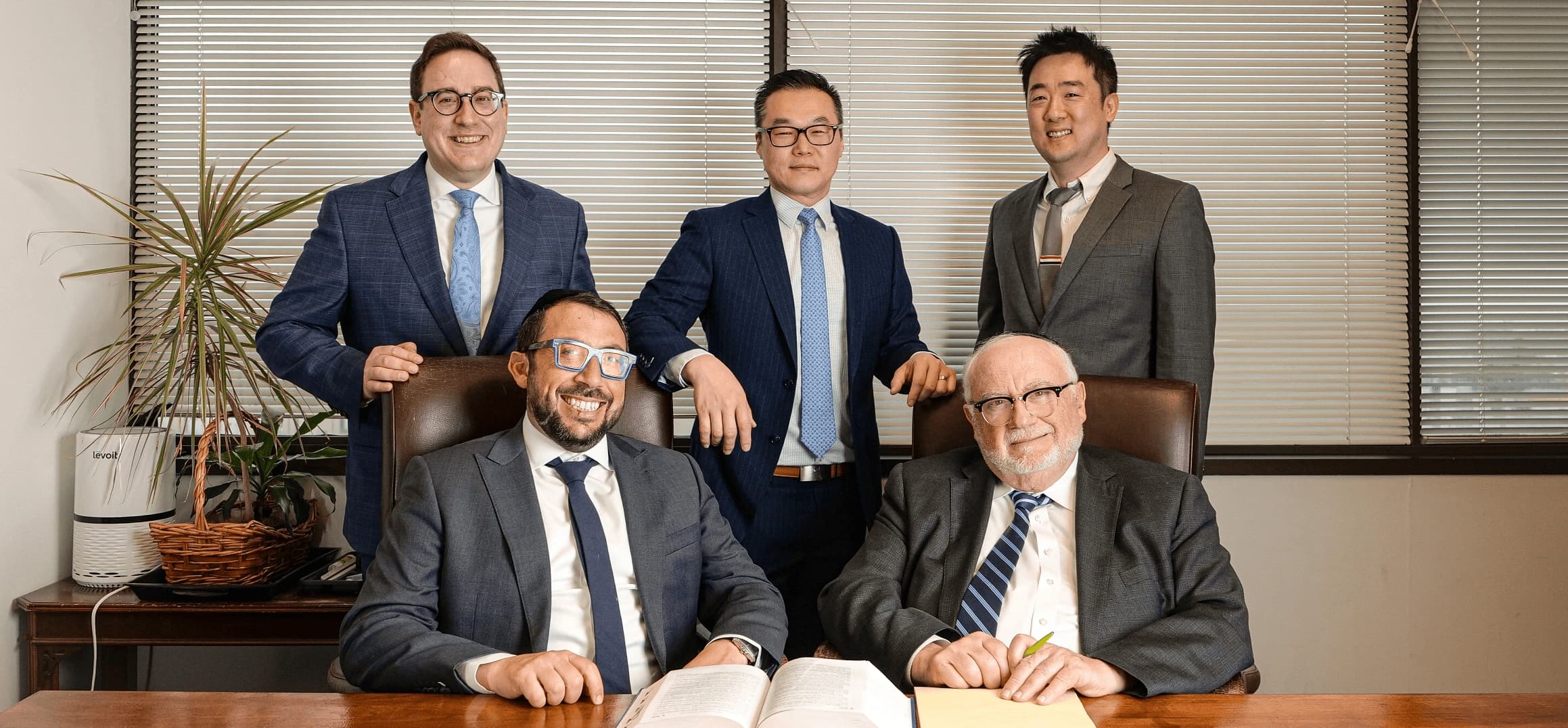
Our team
Amputation cases demand medical fluency, working relationships with life care planners, and real procedural depth. Our team has built that capacity through years of representing amputee clients.
Senior Counsel
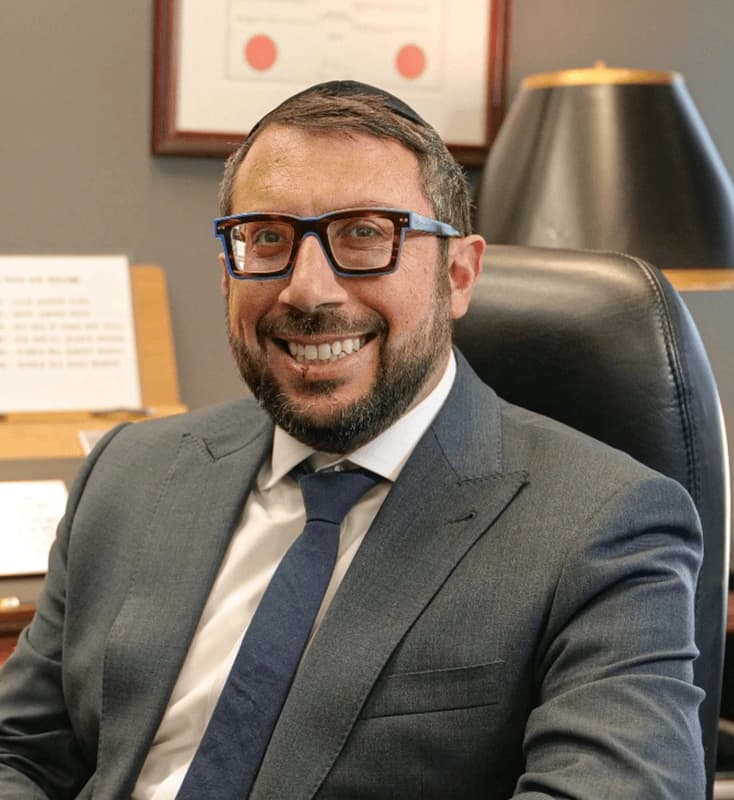
Partner
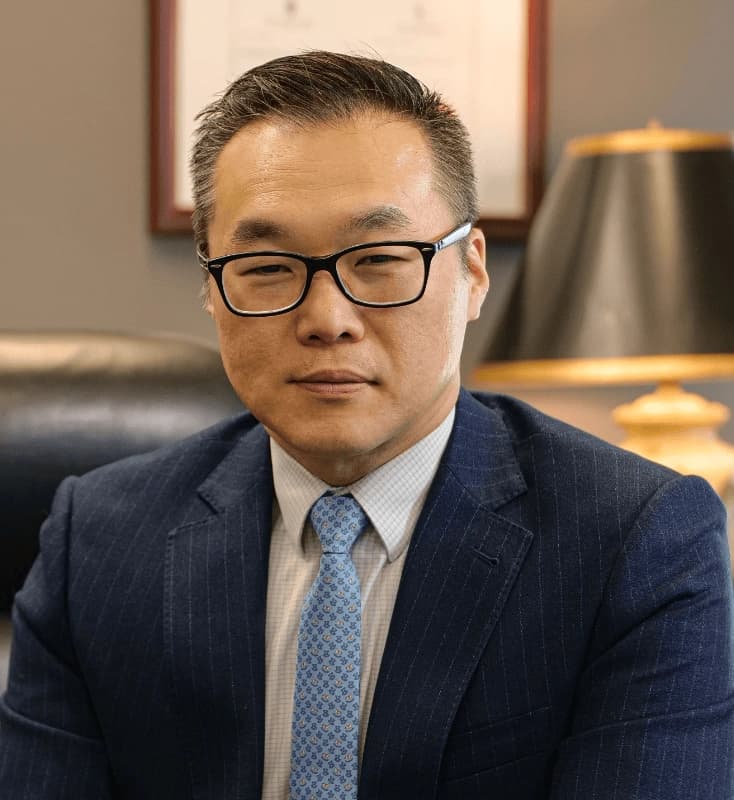
Co-Managing Partner
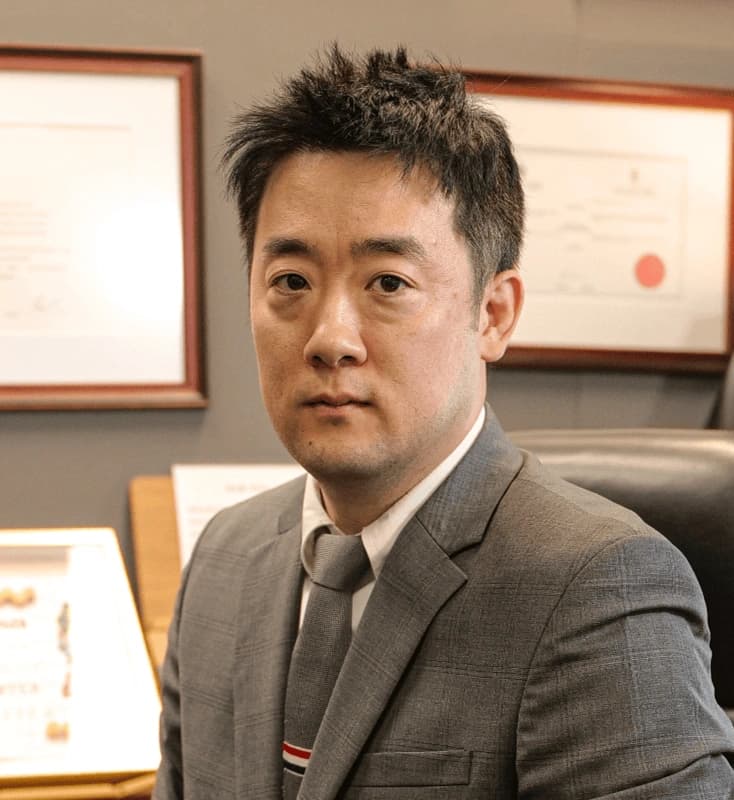
Lawyer
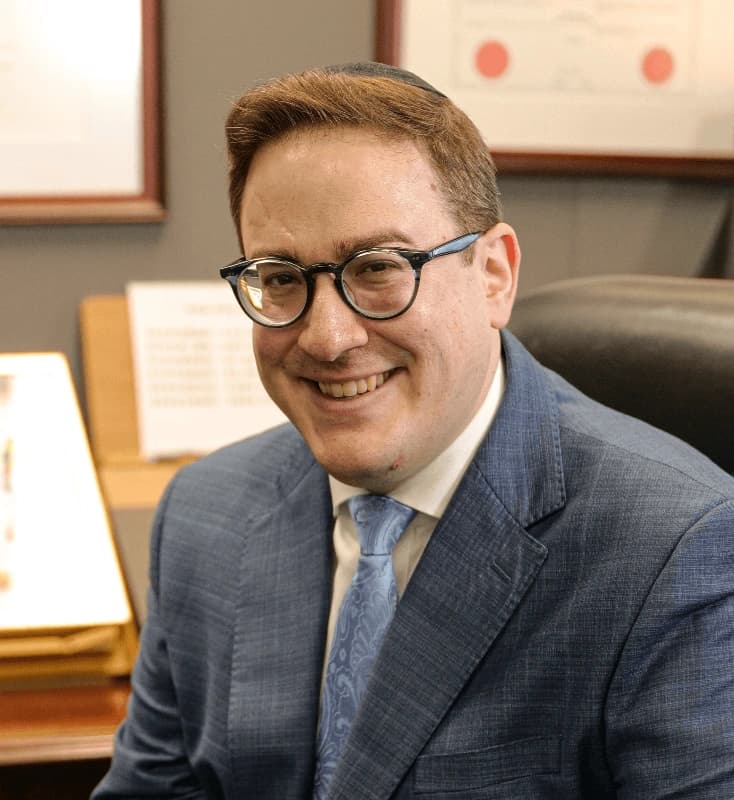
Lawyer
Immigration Consultant
RCIC R529664 · RQIC 11726
Where we work
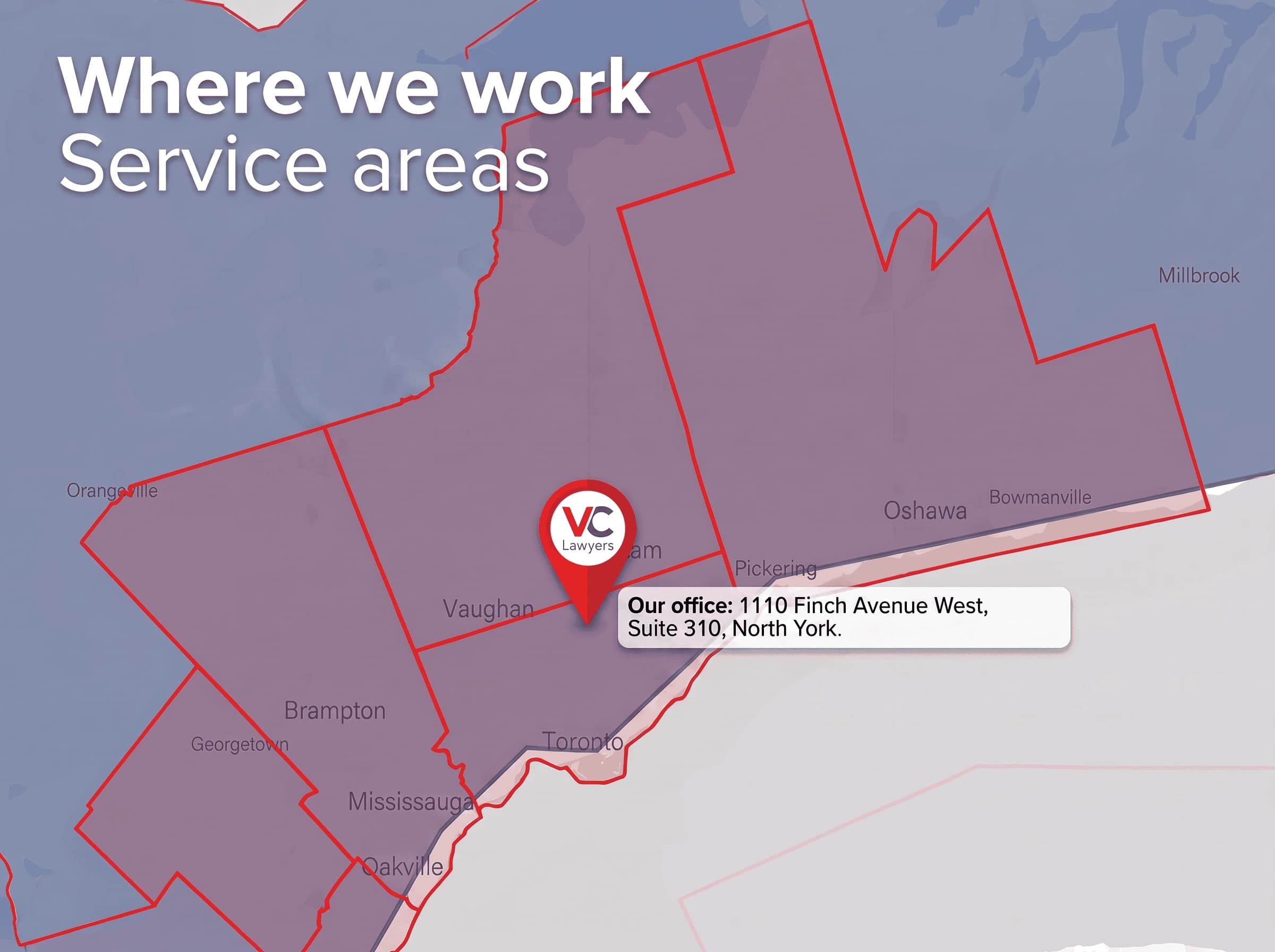
VC Lawyers serves clients throughout the Greater Toronto Area, including Toronto, North York, Scarborough, Etobicoke, Mississauga, Brampton, Oakville, Burlington, Vaughan, Richmond Hill, Pickering, Ajax, Whitby, Oshawa, Newmarket, and Aurora. We also represent clients across Ontario through video consultations and home/hospital visits when needed.
Languages spoken at the firm include English, Korean (한국어), Hebrew, Mandarin, and others depending on lawyer assignment.
Our office is located at 1110 Finch Avenue West, Suite 310, in North York, with parking and TTC access (Finch West subway and bus connections). For amputee clients with mobility limitations, we conduct home and hospital visits whenever needed. We come to you.
Why people choose VC Lawyers
Choosing the right personal injury law firm after an accident in Toronto can mean the difference between a lowball settlement and the full compensation you deserve.
Personal injury cases run on a contingency basis. You pay nothing upfront.
Speak with an injury lawyer today at zero cost. Other practice areas are quoted before we start.
We’re available around the clock when you need us most.
Too injured to come to us? We’ll come to you.
Services in 8 languages so nothing gets lost in translation.
You’re never just a case number. Get direct access to your lawyer.
Get in touch
Tell us what happened and a lawyer will personally review your case. Personal injury consultations are free and there are no fees unless we win. For all other practice areas, a consultation fee applies.
Prefer to call? (416) 661-4529
Take the next step
Related practice areas
The same practice, served from our office in North York.
For other catastrophic injuries: traumatic brain injury, spinal cord injury, and severe burns.
For the broader personal injury and SABS framework.
For the underlying motor vehicle accident framework.
For non-earner benefit claims when you were not working at the time of the accident.
For critical illness insurance claims.
For STD insurance disputes.