VC·Lawyers®
North York public transit accident lawyer, VC Lawyers

North York

North York Public Transit Accident Lawyer

Toronto Lawyers Association
Ontario Trial Lawyers Association (OTLA)
The Canadian Bar Association
Love Toronto
Consulate General of the Republic of Korea in Toronto
Korean Legal Clinic
Ontario Bar Association
Toronto Lawyers Association
Ontario Trial Lawyers Association (OTLA)
The Canadian Bar Association
Love Toronto
Consulate General of the Republic of Korea in Toronto
Korean Legal Clinic
Ontario Bar Association
Toronto Lawyers Association
Ontario Trial Lawyers Association (OTLA)
The Canadian Bar Association
Love Toronto
Consulate General of the Republic of Korea in Toronto
Korean Legal Clinic
Ontario Bar Association

Trusted by accident victims and businesses across Ontario

Overview

Public transit accident claims in North York

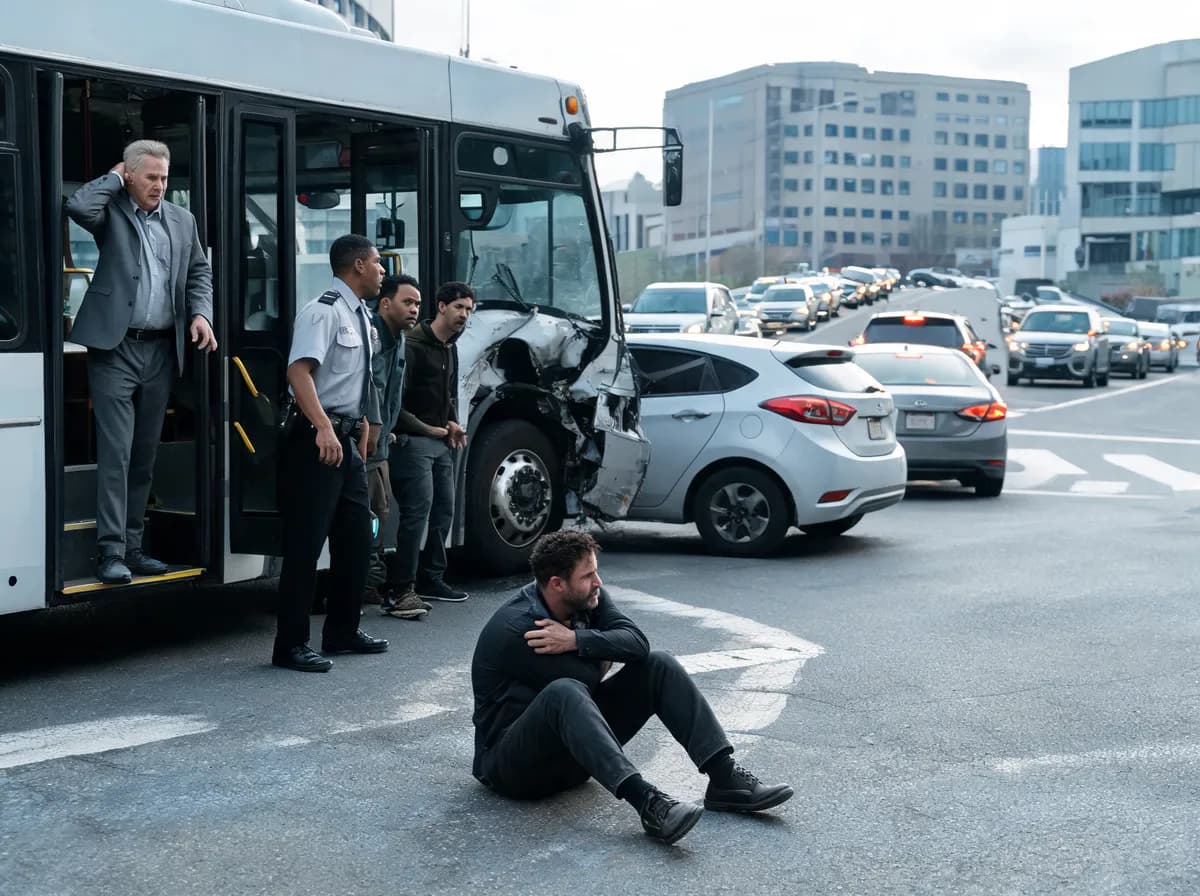
Injured in a public transit accident in North York? Our experienced public transit accident lawyers in North York help people hurt on or by TTC buses, subways, streetcars, the Finch West LRT, Wheel-Trans, GO Transit, and York Region Transit. You may have been thrown by a sudden stop on a crowded bus, injured in a collision involving a transit vehicle, hurt on a platform or escalator, or struck by a bus as a pedestrian or cyclist. Our team has recovered over $30M+ for accident victims across North York, Ontario and the GTA. We have the municipal liability experience to cut through the red tape that public carriers put between injured people and fair compensation.

Public transit accidents are not ordinary motor vehicle claims. The defendant is a government agency. Statutory notice deadlines can be as short as 10 days. Special insurance rules changed how accident benefits apply to transit passengers. And the TTC has its own claims department, adjusters, and lawyers, whose job begins the moment an incident report is filed.

North York Public Transit Accident Lawyer, VC Lawyers

Why transit claims run differently

The scale of the system guarantees a steady stream of injuries. Toronto's public transit vehicles travel an estimated 150 million kilometres per year, and the TTC has recorded well over 18,000 collisions and incidents since 2009. North York sits at the heart of that system, with two subway lines, the Finch West LRT, and some of the busiest bus corridors in Canada along Finch, Sheppard, Steeles, Wilson, and Don Mills.

One wrinkle in Ontario law catches transit victims completely off guard, and it is worth stating plainly. Since legislative changes in 2011, an injury on a public transit vehicle that did not collide with another vehicle or object generally cannot support a claim for no-fault Statutory Accident Benefits. Being thrown down the aisle by hard braking is the classic example. Your remedy is to sue the transit authority directly in negligence.

That makes the lawsuit, the evidence, and the deadlines matter even more than in a normal crash. It also makes early legal advice essential, because the TTC's incident report and onboard camera footage become the foundation of your case.

VC Lawyers is based right here in North York at 1110 Finch Ave W, with TTC access at our own door via Finch West Station. We bring 70+ years of combined experience in personal injury law to every transit claim. We protect your rights, handle the transit authority and every insurer involved, and manage your benefits and your lawsuit together, so you can focus on your recovery.

Get in touch

Looking for legal help? Speak directly with a lawyer

Tell us what happened and a lawyer will personally review your case. Personal injury consultations are free and there are no fees unless we win. For all other practice areas, a consultation fee applies.

  • $30M+ recovered for injury clients
  • Available 24/7, including weekends
  • Service in English, Korean, and 6+ more languages

Prefer to call? (416) 661-4529

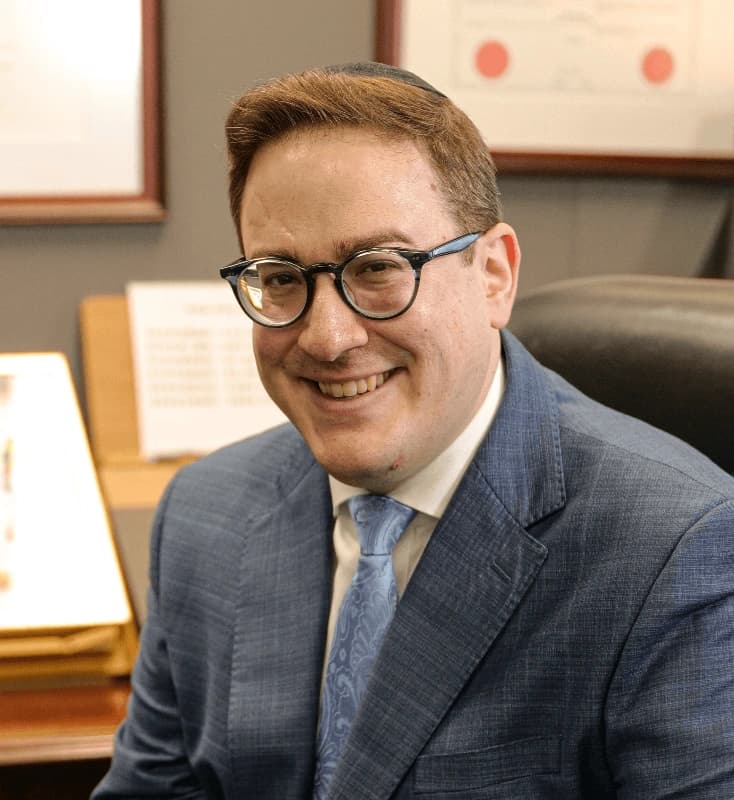
A VC Lawyers lawyer in consultation with a client at the North York office

Background

Public transit accidents in North York: what you need to know

North York may be the most transit-dependent district in Canada outside downtown Toronto. Line 1 serves it on two branches, with major stations at Finch, North York Centre, Sheppard and Yonge, York Mills, Wilson, Sheppard West, and Finch West. Line 4 runs under Sheppard, and the Finch West LRT runs street-level rail across the north end of the area.

The surface network covers Finch East and West, Steeles, Sheppard, Wilson, Jane, Keele, Dufferin, Bathurst, Don Mills, and Victoria Park. It includes several of the heaviest bus corridors on the continent. Hundreds of thousands of residents board this system daily, including a large population of seniors and students for whom transit is the only option. Every element of that system produces its own injury pattern, and we have seen them all.

The most common types of public transit accidents in North York

Sudden stops and hard braking. This is the signature transit injury. A standing or walking passenger has nothing to brace against when an operator brakes hard. The injuries, including hip fractures, shoulder dislocations, and head strikes against poles and stanchions, fall heaviest on seniors. Crucially, if the bus did not hit another vehicle or object, no-fault Statutory Accident Benefits (SABS) usually do not apply. The claim proceeds as a negligence lawsuit against the transit authority, where the operator's reason for braking, the vehicle's telematics data on speed and braking, and camera footage decide everything.

Collisions involving transit vehicles. Buses, streetcars, and LRT vehicles collide with cars, trucks, cyclists, and fixed objects. Passengers injured in a genuine collision can typically apply for accident benefits and sue the at-fault parties. Those parties may include the transit operator, another motorist, or both.

Boarding and alighting incidents. Doors close on passengers, and buses pull away mid-board. Gaps and height differences at curbs and platforms cause falls, and ramp or kneeling-feature failures injure riders. That includes Wheel-Trans transfer injuries to some of the system's most vulnerable users.

Platform, stair, and escalator injuries on TTC property. Falls happen on wet or icy platforms and on defective escalators and elevators, alongside crowding incidents and inadequate maintenance or warning. These proceed as occupiers'-liability claims against the transit authority, with their own notice considerations.

Pedestrians and cyclists struck by transit vehicles. Buses turn across crosswalks, LRT vehicles run in mixed traffic on Finch West, and wide vehicles squeeze cyclists along curb lanes. The victim's claim runs against the transit authority and its operator, institutional defendants, but answerable ones.

Operator negligence and fatigue. Transit operators work demanding schedules under pressure. Distraction, fatigue, aggressive driving, and training failures appear in our cases regularly. Operator records, scheduling data, and discipline histories are discoverable.

Not sure where you stand? One conversation will tell you.

A VC Lawyers lawyer meeting a client at the North York office

Injuries our North York transit accident clients commonly suffer

Hip, pelvic, wrist, and shoulder fractures are the classic sudden-stop injuries, devastating for older riders and frequently surgical. Traumatic brain injuries and concussions follow falls inside vehicles, on platforms, and in vehicle-pedestrian impacts. Spinal injuries and herniations arise from acute trauma and from violent jolts to seated passengers.

Soft-tissue, ligament, and chronic pain injuries are the ones insurers dismiss most readily, and a consistent treating record is what keeps them in the claim. Internal injuries appear in higher-energy collisions and pedestrian strikes. Psychological injuries such as PTSD, anxiety around riding, and depression are real and compensable, especially for victims of violent or frightening incidents. And fatal injuries support wrongful death and Family Law Act claims for surviving families.

How recovery actually works in an Ontario transit claim

Scenario 1: the transit vehicle collided with another vehicle or object. This functions closest to a normal motor vehicle claim. Statutory Accident Benefits can be claimed regardless of fault, and it is the collision that opens that door. Once it is open, three benefits are not optional at all. Medical, rehabilitation, and attendant care stayed mandatory on every Ontario auto policy when the rest of the package changed on July 1, 2026. The auto insurer now pays first on medical claims as well, so your own extended health or employer plan is no longer drawn down ahead of it.

Four other benefits became optional purchases: income replacement, non-earner, caregiver, and housekeeping. You can only claim them if you are a person the policy names as an insured (the named insured), that person's spouse, a dependant of either, or a driver listed on a policy that bought the extra coverage. That test hits bus, subway, and LRT passengers hardest, because a passenger is rarely tied to the transit vehicle by any policy at all. The collision opens the mandatory three benefits to you as an injured person. The optional four depend on a policy of your own, or a policy in your household that makes you a spouse, a dependant, or a listed driver. We start sorting out which policies cover you at the first meeting, because that decides whether your lost income comes from the benefits side or only from the lawsuit. The catastrophic-impairment tier of up to $1 million in combined lifetime medical, rehabilitation, and attendant care benefits remains available for the most serious injuries. A tort lawsuit also lies against whoever was negligent, whether the transit operator, another motorist, or both. The threshold and statutory deductible rules apply to pain-and-suffering awards, and we structure claims around them.

Scenario 2: no collision, where a sudden stop, swerve, or acceleration injured you. Since the 2011 legislative changes, these incidents generally fall outside the accident benefits system. Your remedy is a negligence action against the transit authority. That means proving the operator acted unreasonably, and the high standard of care owed by common carriers to their passengers helps. It also means securing the camera and telematics evidence that only the defendant holds, and meeting every notice deadline. And it changes what the mandatory benefits are worth to you. With no auto policy in the picture, the treatment and personal care funding that would otherwise arrive regardless of fault has to be proved and recovered from the transit authority instead, as part of your damages. This is the scenario where unrepresented claimants lose winnable cases.

Scenario 3: you were injured on transit property rather than a vehicle. Platform, stair, escalator, and station injuries proceed under occupiers' liability principles against the transit authority. Notice sensitivities apply again, and the key evidence, including inspection logs, maintenance records, and camera footage, is held by the transit authority.

Scenario 4: a transit vehicle struck you as a pedestrian or cyclist. You combine the strongest features of our pedestrian and cycling practices with a transit-authority defendant and its institutional defence. That includes access to the mandatory medical, rehabilitation and attendant care benefits, whatever policies you personally hold, and the reverse onus presuming the driver negligent.

In every scenario, family members may claim under the Family Law Act, and fatality cases support full wrongful death claims.

The deadlines here are shorter than most people expect.

Boardroom at VC Lawyers, 1110 Finch Avenue West, North York

What compensation can an injured North York transit victim claim?

Depending on the scenario, a properly built transit claim can include all medical and rehabilitation expenses beyond OHIP and private coverage. That covers physiotherapy, psychology, occupational therapy, medications, and mobility devices. It can also include attendant care during recovery, income replacement, and damages for past and future loss of earning capacity.

Pain and suffering and loss of enjoyment of life are claimable, subject in motor vehicle scenarios to the threshold and deductible rules we structure claims around. So are housekeeping and home maintenance capacity, home modifications for lasting disability, and future care costs supported by life-care planning experts. Out-of-pocket expenses and travel for treatment count too, along with Family Law Act damages for spouses, children, and parents.

In fatality cases, families may also recover funeral expenses and loss of financial support. None of it is volunteered at full value by a transit claims department. Every category is documented, quantified, and negotiated, which is the daily work of a public transit accident lawyer.

By the numbers

Public transit accident statistics every North York rider should know

The scale and intensity of the GTA's transit system explain why these injuries are so common, and why the claims that follow are institutionally defended.

  • Toronto's public transit vehicles travel an estimated 150 million kilometres every year

    That distance statistically guarantees thousands of collisions, sudden-stop incidents, and passenger injuries annually.
  • The TTC has recorded more than 18,000 collisions and incidents since 2009

    That figure spans buses, streetcars, and subway operations combined. It is cited consistently across Toronto injury-law analyses of transit claims.
  • Transit claims cost real money, which is why they are defended hard

    TTC annual reporting has disclosed tens of millions of dollars paid out in a single year to people who sued the Commission. The majority of those payouts were tied to motor vehicle collisions. A defendant paying at that scale builds a claims operation to match.
  • Passengers ride unrestrained

    Unlike car occupants, bus and streetcar passengers stand, walk the aisle, and sit without seatbelts. That is precisely why Ontario law holds public carriers to a high standard of care toward their passengers. It is also why hard braking, rapid acceleration, and sharp turns produce so many fractures, head injuries, and shoulder injuries among riders, especially seniors.
  • North York carries some of the heaviest surface-transit loads in the country

    The Finch, Sheppard, Steeles, Wilson, and Don Mills corridors run among the busiest bus routes in North America. Line 1 crosses the area twice. The Finch West LRT has added a new street-running rail mode to the mix, with new vehicle-pedestrian and vehicle-car conflict points.
  • Pedestrians and cyclists are on the other side of the ledger

    Transit vehicles weigh many times more than cars. When a bus or LRT vehicle strikes a person walking or cycling, the injuries mirror our pedestrian and cycling caseloads at their most severe. The same transit-defendant rules and deadlines apply.
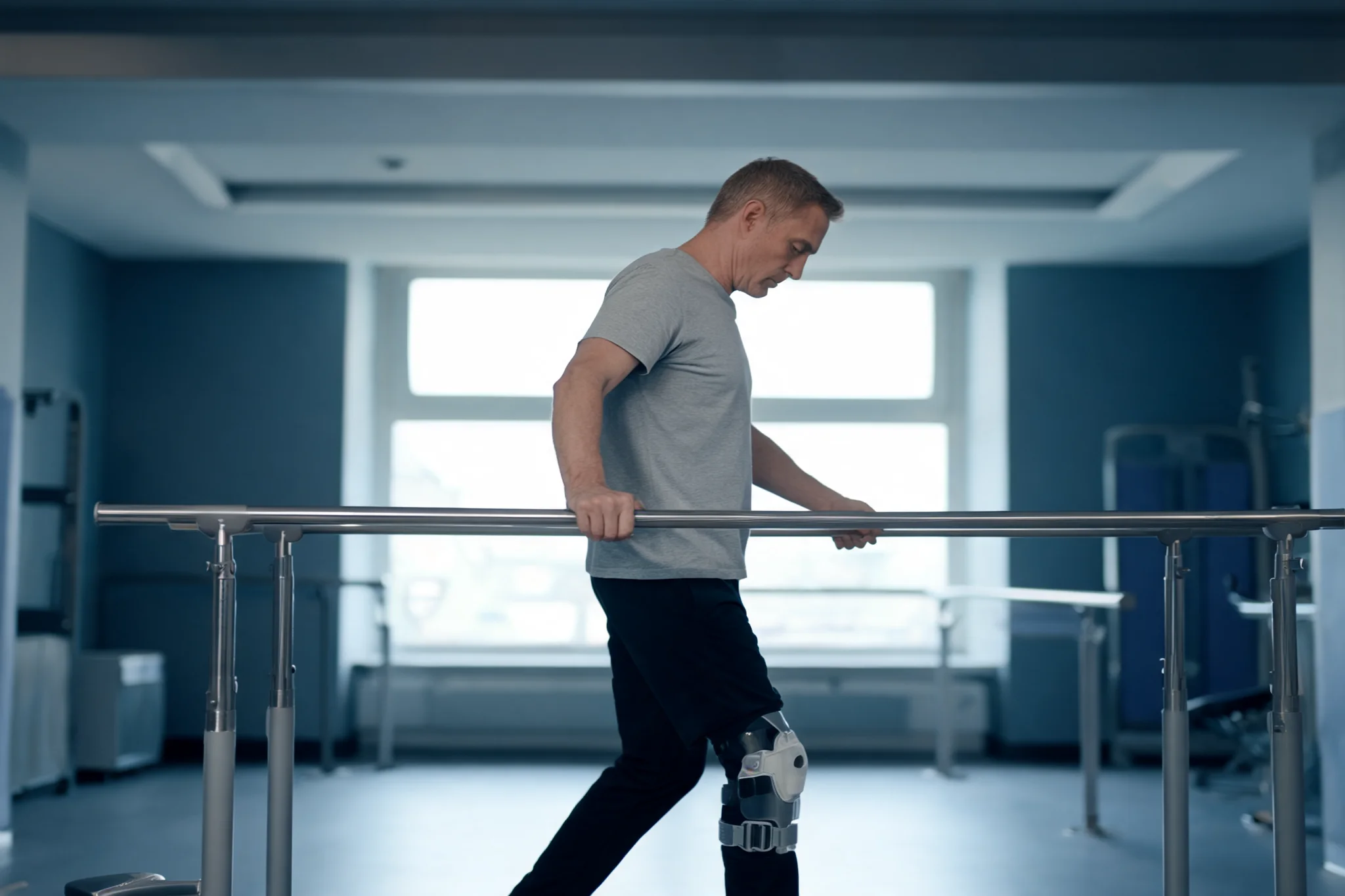
Rehabilitation after a serious injury

Riding in North York

Corridors, stations, and the North York transit risk map

The Yonge corridor. Finch, North York Centre, and the Sheppard and Yonge interchange are among the busiest stations outside downtown. Peak periods bring crowding on platforms and stairs, bus-bay congestion at Finch's massive terminal, and constant boarding-surge incidents.

The Finch West LRT. Street-running rail is new to North York, and new modes produce new conflicts. Vehicles turn across the right-of-way, pedestrians cross tracks mid-block, and cyclists negotiate rails and platforms. Early-years incident patterns on new lines are well documented across transit systems, and entirely foreseeable to the authorities that operate them.

The big bus corridors. Finch East and West, Steeles, Sheppard, Wilson, Jane, and Don Mills carry crush loads through dense arterial traffic. This is the natural habitat of the sudden-stop injury, the boarding incident, and the bus-pedestrian conflict at plaza driveways and crosswalks.

Winter. Icy platforms, wet station floors, snow-narrowed stops that force boarding from the roadway, and stopping-distance physics on slick arterials concentrate transit injuries into the cold months. Every element is foreseeable, and every element is the subject of maintenance duties.

Wheel-Trans and accessible transit. North York's senior-heavy neighbourhoods, including Willowdale, Bathurst Manor, and the Bathurst and Steeles corridors, depend on accessible service. Transfer, ramp, and securement failures injure precisely the riders least able to absorb them. The duty of care scales with the passenger's known vulnerability.

The deadlines here are shorter than most people expect.

Step by step

What to do after a public transit accident in North York

  1. 01

    Get medical attention immediately

    Even if you rode home after the incident. Fracture, head, and internal injuries declare themselves late, and same-day medical records anchor the claim.
  2. 02

    Report the incident before leaving

    If at all possible, report to the operator, station staff, or via the transit authority's incident process. Get the vehicle or run number, route, time, and location. The incident report is a foundational document.
  3. 03

    Call police for collisions and serious injuries

    So an independent report exists alongside the TTC's internal one.
  4. 04

    Collect witnesses

    Fellow passengers scatter in minutes and are nearly impossible to find later. Names and numbers taken at the scene are invaluable.
  5. 05

    Photograph everything you safely can

    The vehicle interior, the pole or stair or platform feature involved, conditions, and your injuries.
  6. 06

    Request preservation of camera footage early

    Onboard and station video is overwritten on short retention cycles. Your lawyer's preservation letter should go out in days, not weeks.
  7. 07

    Mind the deadlines

    Possible 10-day written notice for public-authority claims. 7-day and 30-day accident benefits timelines where benefits apply. And the 2-year limitation for the lawsuit.
  8. 08

    Give no statement to transit adjusters

    Sign nothing before legal advice. The TTC's claims department serves the TTC.
  9. 09

    Keep a recovery journal

    Of symptoms, appointments, missed work, and daily limitations.
  10. 10

    Contact a North York public transit accident lawyer immediately

    In transit claims, acting quickly changes the outcome.

Our process

How our North York public transit accident lawyers handle your case

  1. 01

    Free consultation

    Contact us for a free case evaluation. Our North York public transit accident lawyer team will identify the transit authority and insurers involved. We will flag the deadlines that apply to your specific incident type and outline your options immediately, with zero obligation and zero cost.
  2. 02

    Notice, investigation, and evidence preservation

    We act immediately on the notice requirements, including the short statutory windows that apply to claims against municipalities and public authorities. Then we move on the evidence the transit authority controls. That means onboard and platform camera footage before retention cycles erase it, the operator's incident report, and vehicle telematics showing speed and braking. It also means operator training, scheduling, and discipline records, maintenance records for the vehicle, escalator, or platform feature involved, and passenger and bystander witness statements. Where another motorist caused the collision, we pursue their insurer in parallel.
  3. 03

    Negotiation or litigation

    Transit authorities and their adjusters defend claims as a matter of institutional routine. They dispute notice, dispute negligence, and invoke the threshold and deductible rules that apply to motor vehicle claims. We present a fully documented claim and negotiate from strength. When fair value is refused, we litigate in the Ontario Superior Court of Justice, through mediation, pre-trial, and trial as needed.
  4. 04

    How the recovery and our fee work

    Once your transit accident claim is resolved by settlement or judgment, the recovery is paid to you and our fee is taken from it at the percentage set out in writing before the file opened. You pay no legal fee unless the claim succeeds, and we explain how disbursements are handled before you sign.

Important

Transit claims carry layered deadlines. The Limitations Act generally allows 2 years to sue. Claims against municipalities and public authorities can require written notice within as little as 10 days. Accident benefits, where they apply, require notice within 7 days and an application within 30 days. Onboard camera footage may be overwritten within days unless preserved. With a transit claim, the single most expensive mistake is waiting. Contact a public transit accident lawyer in North York immediately.

Every situation is different. Yours deserves a specific answer.

Know their playbook

Transit authority and insurer tactics after a North York transit accident

  • The institutional head start

    The operator files an incident report immediately, camera footage is reviewed internally, and the claims department opens a file. All of that happens before most victims have seen a doctor. Your side starts level only if it starts fast.
  • The notice trap

    No defence is cheaper than "you told us too late." Public-authority notice rules are short, technical, and enforced. We satisfy them in the first days.
  • The recorded statement

    A transit adjuster's friendly call seeks an account that can be mined later: your grip on the pole, your footwear, your attention. Decline politely until you have counsel.
  • "Momentary lapse" and "agony of the moment" defences

    Operators explain hard braking as unavoidable reactions to traffic. Telematics, camera footage, and following-distance analysis test that story, when someone obtains them.
  • Minimizing the injury

    Insurer-selected medical assessments frame fractures as degeneration and brain injuries as headaches, paired with surveillance and social-media monitoring in serious claims. We answer with treating-physician and independent expert evidence. Where benefits apply, we take wrongful denials to the Licence Appeal Tribunal.
  • The threshold-and-deductible squeeze

    Adjusters discount pain-and-suffering claims by invoking the statutory deductible and threshold as if they were unanswerable. They are case-specific and litigable, and properly documented serious injuries clear them.
  • Delay

    Institutions are patient; injured people have bills. Litigation timelines transfer the cost of delay back to the defendant.

In the news

Why transit safety keeps making headlines across the GTA

Transit is permanently in the Toronto news cycle. Service and safety incidents on the subway, bus and streetcar collisions, and the long-watched launch of the Finch West LRT through North York, with its new street-running interactions, all draw coverage, alongside recurring stories of violence and crowding on the system.

Underneath the headlines sit the structural facts. The network moves millions of riders across 150 million vehicle-kilometres a year. The incident count runs into the tens of thousands over the past decade and a half. And TTC reporting has shown annual payouts to injured claimants running into the tens of millions of dollars in a single year.

For injured riders, that context matters in two ways. First, it confirms that transit injuries are a known, budgeted, institutionally managed cost. The Commission expects claims, reserves for claims, and staffs against claims. That is why an injured passenger negotiating alone is at a structural disadvantage from the first phone call.

Second, the public record can supply context evidence about hazards the authority knew about. Service reviews, safety audits, board reports, and coverage of known problem locations all count. A fall on an escalator with a documented maintenance history, or an LRT-pedestrian conflict at a crossing already flagged in coverage and reports, is a stronger case than the incident report alone suggests. Experienced counsel knows where that record lives and how to use it.

Rather ask someone who handles these matters every week?

Why VC Lawyers

Why hire a public transit accident lawyer in North York at VC Lawyers

  • Local North York lawyers, on the transit network itself

    Our office at 1110 Finch Ave W #310 sits at Finch West Station, on the Finch West LRT line, surrounded by the bus corridors where these incidents happen. We ride the system we litigate about.
  • We know the transit-specific rules

    We know the high standard of care owed by common carriers to their passengers. We know the 2011 changes that stripped no-fault accident benefits from non-collision transit incidents and routed victims into direct lawsuits. We know the short municipal notice deadlines that catch injured people out. We know the threshold and statutory deductible, the two rules that can reduce a pain-and-suffering award or bar it altogether. And we know the evidence that only exists inside the defendant's walls, meaning cameras, telematics, and operator files.
  • We handle every incident type

    Sudden stops and hard braking. Bus, streetcar, and LRT collisions. Passengers struck while boarding or alighting. Door and ramp incidents, including Wheel-Trans transfers. Platform, stair, and escalator injuries on TTC property. And pedestrians or cyclists struck by transit vehicles.
  • Contingency fee basis

    No upfront legal fees and a free consultation. The fee is a percentage of the recovery, agreed in writing before we start, with no legal fee payable unless the claim succeeds.
  • Serious injury and catastrophic impairment experience

    Traumatic brain injuries, spinal cord injuries, hip and shoulder fractures, internal injuries, chronic pain, PTSD, and fatality claims for families.
  • We pursue every defendant

    The transit authority, its operator, other negligent motorists, maintenance contractors, and equipment manufacturers, each with their own insurers and lawyers.
  • Multilingual service

    English, Korean (한국어), Hebrew, Mandarin, and more, reflecting the transit-riding communities of North York.

Choosing wisely

How to choose the right public transit accident lawyer in North York

A transit claim is not an ordinary car claim, so screen a firm on what is specific to it. Do they know the transit-specific rules: the common-carrier standard of care, the 2011 changes routing non-collision incidents out of accident benefits and into direct lawsuits, the public-authority notice deadlines, and the threshold and deductible? Do they send camera-preservation and notice letters in the first week? Have they litigated against municipal and institutional defendants, not just private insurers? Will they run the benefits stream where it applies, the LAT, and the lawsuit under one roof? And are they genuinely prepared to try the case against a defendant that never runs out of lawyers?

At VC Lawyers, the answer to each is yes, from an office on the transit network in the heart of North York, on a contingency fee agreement signed at the start, in your language.

Still weighing what to do next? That is what a first conversation is for.

Testimonials

What our North York clients say

4.8★★★★★·140 on Google
After my car accident, I went through an incredibly challenging time. Thanks to Lawyer Jun Lee and his exceptional team, I received tremendous support and strength.

Jay Kim

Personal Injury Client

When my mother suffered a serious head injury, I was devastated. After meeting Lawyer Jae Hyon Cho, my family was able to receive substantial compensation.

Minkyung Park

Personal Injury Client

Avi Vaturi was professional, responsive, and thorough. When the transaction became complex, his calm communication and practical solutions navigated us to a smooth close.

Jordan Glaser

Real Estate Co-Counsel

Mr. Avi Vaturi did a fantastic job. The whole process was seamless — timely, detailed, and professional from start to finish.

Howard Huang

Real Estate Client

He helped me with both my car accident case and the buying and selling of my home. Everything was handled professionally and efficiently.

Yoon Jung

Personal Injury & Real Estate Client

Jae Cho was great to deal with and very attentive to my case. His associate Sunny was also very helpful. I would highly recommend.

Jordan Ungerman

Personal Injury Client

Their professionalism, attention to detail, and commitment to clients truly stand out. Whether handling urgent matters or guiding me through complex issues, the team delivered.

Charles Hong

Long-time Client

It has been my pleasure to work with Jae Cho and his team. Knowledgeable, clear in their explanations, and the process was smooth and stress-free.

Joanne Jeong

Real Estate Client

Vaturi & Cho LLP is an outstanding law firm. They explain even complex matters clearly, and their dedication to achieving the best outcomes is truly impressive.

Jong Ko

Client

The team was not only knowledgeable but also very kind and attentive throughout the entire process. Highly recommended.

Tobi

Client

After my car accident, I went through an incredibly challenging time. Thanks to Lawyer Jun Lee and his exceptional team, I received tremendous support and strength.

Jay Kim

Personal Injury Client

When my mother suffered a serious head injury, I was devastated. After meeting Lawyer Jae Hyon Cho, my family was able to receive substantial compensation.

Minkyung Park

Personal Injury Client

Avi Vaturi was professional, responsive, and thorough. When the transaction became complex, his calm communication and practical solutions navigated us to a smooth close.

Jordan Glaser

Real Estate Co-Counsel

Mr. Avi Vaturi did a fantastic job. The whole process was seamless — timely, detailed, and professional from start to finish.

Howard Huang

Real Estate Client

He helped me with both my car accident case and the buying and selling of my home. Everything was handled professionally and efficiently.

Yoon Jung

Personal Injury & Real Estate Client

Jae Cho was great to deal with and very attentive to my case. His associate Sunny was also very helpful. I would highly recommend.

Jordan Ungerman

Personal Injury Client

Their professionalism, attention to detail, and commitment to clients truly stand out. Whether handling urgent matters or guiding me through complex issues, the team delivered.

Charles Hong

Long-time Client

It has been my pleasure to work with Jae Cho and his team. Knowledgeable, clear in their explanations, and the process was smooth and stress-free.

Joanne Jeong

Real Estate Client

Vaturi & Cho LLP is an outstanding law firm. They explain even complex matters clearly, and their dedication to achieving the best outcomes is truly impressive.

Jong Ko

Client

The team was not only knowledgeable but also very kind and attentive throughout the entire process. Highly recommended.

Tobi

Client

After my car accident, I went through an incredibly challenging time. Thanks to Lawyer Jun Lee and his exceptional team, I received tremendous support and strength.

Jay Kim

Personal Injury Client

When my mother suffered a serious head injury, I was devastated. After meeting Lawyer Jae Hyon Cho, my family was able to receive substantial compensation.

Minkyung Park

Personal Injury Client

Avi Vaturi was professional, responsive, and thorough. When the transaction became complex, his calm communication and practical solutions navigated us to a smooth close.

Jordan Glaser

Real Estate Co-Counsel

Mr. Avi Vaturi did a fantastic job. The whole process was seamless — timely, detailed, and professional from start to finish.

Howard Huang

Real Estate Client

He helped me with both my car accident case and the buying and selling of my home. Everything was handled professionally and efficiently.

Yoon Jung

Personal Injury & Real Estate Client

Jae Cho was great to deal with and very attentive to my case. His associate Sunny was also very helpful. I would highly recommend.

Jordan Ungerman

Personal Injury Client

Their professionalism, attention to detail, and commitment to clients truly stand out. Whether handling urgent matters or guiding me through complex issues, the team delivered.

Charles Hong

Long-time Client

It has been my pleasure to work with Jae Cho and his team. Knowledgeable, clear in their explanations, and the process was smooth and stress-free.

Joanne Jeong

Real Estate Client

Vaturi & Cho LLP is an outstanding law firm. They explain even complex matters clearly, and their dedication to achieving the best outcomes is truly impressive.

Jong Ko

Client

The team was not only knowledgeable but also very kind and attentive throughout the entire process. Highly recommended.

Tobi

Client

After my car accident, I went through an incredibly challenging time. Thanks to Lawyer Jun Lee and his exceptional team, I received tremendous support and strength.

Jay Kim

Personal Injury Client

When my mother suffered a serious head injury, I was devastated. After meeting Lawyer Jae Hyon Cho, my family was able to receive substantial compensation.

Minkyung Park

Personal Injury Client

Avi Vaturi was professional, responsive, and thorough. When the transaction became complex, his calm communication and practical solutions navigated us to a smooth close.

Jordan Glaser

Real Estate Co-Counsel

Mr. Avi Vaturi did a fantastic job. The whole process was seamless — timely, detailed, and professional from start to finish.

Howard Huang

Real Estate Client

He helped me with both my car accident case and the buying and selling of my home. Everything was handled professionally and efficiently.

Yoon Jung

Personal Injury & Real Estate Client

Jae Cho was great to deal with and very attentive to my case. His associate Sunny was also very helpful. I would highly recommend.

Jordan Ungerman

Personal Injury Client

Their professionalism, attention to detail, and commitment to clients truly stand out. Whether handling urgent matters or guiding me through complex issues, the team delivered.

Charles Hong

Long-time Client

It has been my pleasure to work with Jae Cho and his team. Knowledgeable, clear in their explanations, and the process was smooth and stress-free.

Joanne Jeong

Real Estate Client

Vaturi & Cho LLP is an outstanding law firm. They explain even complex matters clearly, and their dedication to achieving the best outcomes is truly impressive.

Jong Ko

Client

The team was not only knowledgeable but also very kind and attentive throughout the entire process. Highly recommended.

Tobi

Client

Our team

Meet your North York legal team

Our personal injury lawyers bring decades of combined experience representing transit passengers, pedestrians, and cyclists in claims against public carriers across North York and Ontario. Every client at VC Lawyers works directly with a dedicated North York public transit accident lawyer who guides you through every step, from the 10-day notice letter to the final settlement cheque.

Who handles your file

The people on your matter

  • Avi Vaturi, Partner

    Senior personal injury lawyer with extensive experience in complex motor vehicle and municipal liability litigation.
  • Jae Hyon Cho, Co-Managing Partner

    Experienced accident lawyer focused on serious injury and catastrophic impairment cases, including TBI and fracture claims.
  • Jun Ki Lee, Associate

    Dedicated personal injury associate handling accident benefits, LAT disputes, and tort claims across North York and the GTA.
  • Allan Weiss, Associate

    Experienced lawyer providing strategic guidance on high-value transit and public-authority lawsuits and appeals.

Not sure where you stand? One conversation will tell you.

Key metrics

In the numbers

Recovered for accident victims
$30M+
Personal injury cases handled
4,000+
Years combined experience
70+
No fee, contingency basis
No Win
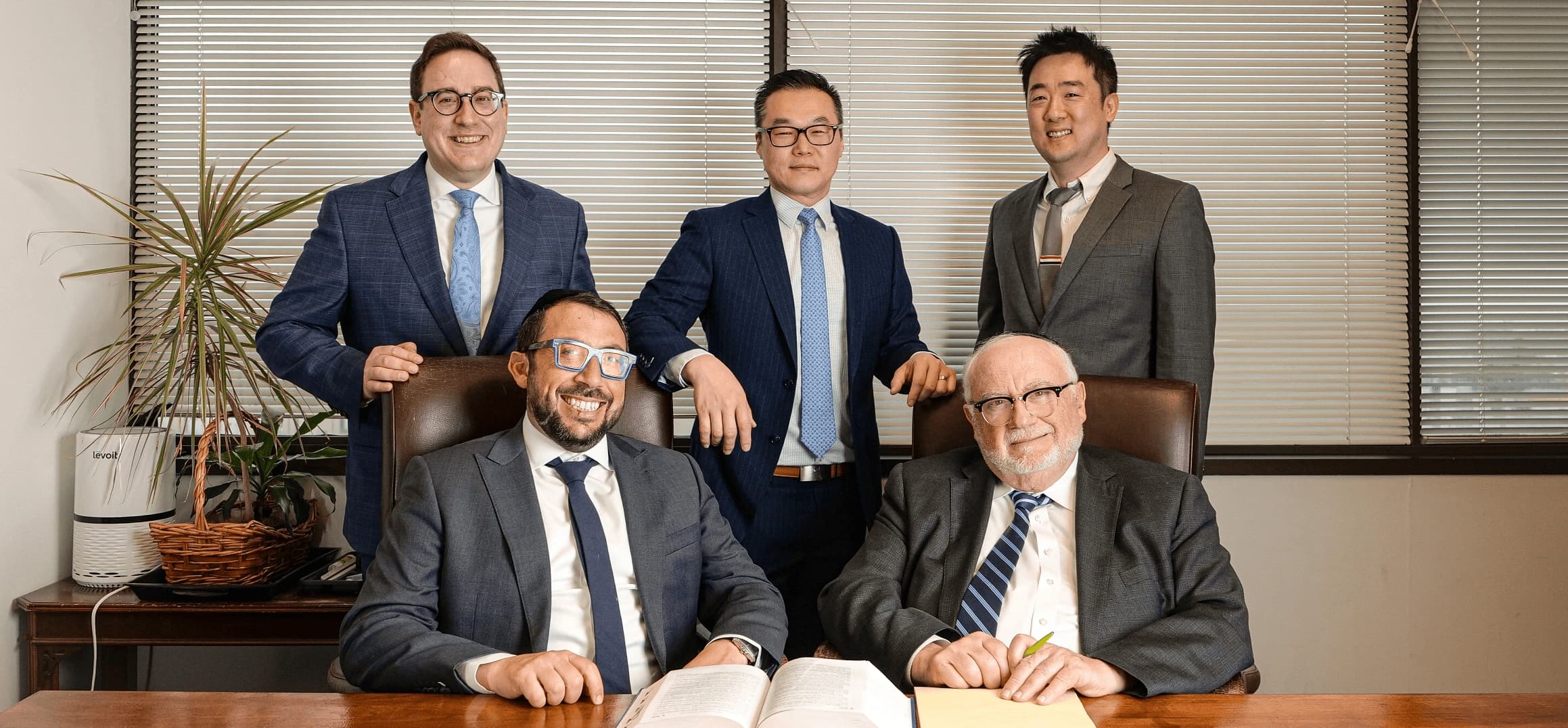
VC Lawyers Toronto legal team, Vaturi & Cho LLP

Talk to us

Every North York public transit accident case deserves a careful look

The first 30-minute consultation is a free consultation, and it is confidential. You get two answers straight away. The first is whether your incident involved a collision. That matters because a sudden stop with no impact generally falls outside accident benefits, and runs instead as a negligence action against the transit authority. The second is which notice deadline is already running. If your claim rests on the condition of a city road or sidewalk, you must give the city clerk written notice within 10 days of the injury, and claims against public authorities carry short notice rules of their own.

You pay no fee unless we recover. Home and hospital visits are available across North York and the GTA, so the notice letter and the demand to preserve the onboard camera footage can go out while you are still recovering at Sunnybrook, North York General, or Humber River Hospital.

Book Free Consultation

Frequently asked questions

We answered all

  • How long do I have to file a public transit accident claim in North York?
    The lawsuit itself generally must start within 2 years under the Limitations Act, but the working deadlines are far shorter. Claims against municipalities and public authorities can require written notice within as little as 10 days. Accident benefits, where they apply, require insurer notice within 7 days and an application within 30. Onboard camera footage may be erased within days. In transit claims, call a lawyer within the first week.
  • How much does a public transit accident lawyer cost in North York?
    Nothing upfront: VC Lawyers works on a contingency fee basis, no win, no fee. Our fee is an agreed percentage of the recovery and is payable only if we obtain compensation for you. The initial consultation is always free, and there is no obligation to proceed after it.
  • I was hurt when the bus braked hard, with no crash with another vehicle. Do I have a claim?
    Very possibly, but the claim works differently than people expect. Since Ontario's 2011 changes, non-collision transit incidents generally fall outside no-fault accident benefits. Your remedy is a negligence lawsuit against the transit authority. Public carriers owe their passengers a high standard of care precisely because riders stand and walk unrestrained, and the operator's braking decision is tested against camera footage and telematics. These are winnable cases, but they are won on evidence obtained early.
  • Can I claim accident benefits after a TTC accident?
    Yes, if the transit vehicle collided with another vehicle or object: the SABS framework then applies regardless of fault. Medical, rehabilitation and attendant care are mandatory coverage on every Ontario policy, and the catastrophic-impairment tier raises the combined limit on those three for the most serious injuries. Since July 1, 2026 the auto insurer pays those medical claims first, in full from the start, leaving your extended health or employer plan intact. Income replacement and the other benefits that became optional purchases that day are narrower. You can claim them only if you are the named insured on a policy, that person's spouse, a dependant of either, or a driver listed on the policy, and only where that policy bought the coverage. Most passengers are not named on any policy covering the bus or the train. So the practical question for a rider is whether a policy of their own, or a household member's, puts them in that group. Where it does not, your treatment and attendant care are still funded, and your lost income has to be recovered from the negligent party instead. If there was no collision, benefits are generally unavailable and the claim proceeds as a lawsuit against the transit authority; we identify the right track at your first consultation.
  • I fell on an icy TTC platform or a broken escalator. Is that a transit claim?
    Yes. It proceeds as an occupiers' liability claim against the transit authority for the condition of its property. These claims carry their own notice sensitivities, and the key evidence, including inspection logs, maintenance records, and station cameras, sits in the defendant's hands. Photograph the hazard immediately and call us the same week.
  • A TTC bus hit me while I was walking or cycling. What are my rights?
    Strong ones. You combine accident benefits access and the Highway Traffic Act's reverse onus, which presumes the driver negligent, with a claim against the transit authority and its operator. Institutional defendants defend hard, but they are fully answerable. Bus and LRT camera systems often capture the very evidence that decides the case.
  • What is my North York transit accident case worth?
    Value turns on injury severity and permanence, the effect on income and daily life, and the liability picture. In motor vehicle scenarios, the threshold and statutory deductible rules on pain-and-suffering awards also apply. Transit incidents injure a disproportionately vulnerable ridership, and hip fractures, TBIs, and shoulder reconstructions in seniors are substantial claims. We give realistic, evidence-based assessments in a free consultation.
  • The TTC's adjuster called and offered to "take care of it." Should I talk to them?
    No. Give no recorded statement and sign nothing. The Commission's claims department exists to resolve claims at the lowest defensible number, and early statements from injured, shaken passengers are its best tool. Take the adjuster's name and number politely, then refer the call to your lawyer.
  • Witnesses got off at the next stop and disappeared. Is my case dead?
    No. The vehicle's cameras, telematics, the operator's incident report, route and scheduling data, and your own prompt medical records can carry a claim, if they are preserved. That is exactly why the preservation letter in week one matters more in transit cases than almost anywhere else. Missing witnesses weaken a file; they do not end it.
  • My elderly parent broke a hip in a sudden-stop incident. Anything special to know?
    Yes: these are among the most consequential transit claims we handle. The law takes victims as it finds them, so pre-existing fragility does not discount the claim. Damages reflect the real aftermath: surgery, rehabilitation, attendant care, loss of independence, and family members stepping in as caregivers, with Family Law Act claims available to them. Move quickly, because the same short deadlines apply regardless of the victim's age.
  • Does VC Lawyers handle GO Transit, YRT, and other transit systems, and cases outside North York?
    Yes. We handle claims involving the TTC, GO Transit and Metrolinx services, the UP Express, York Region Transit and Viva, Wheel-Trans, and private and intercity bus operators. Our lawyers act across the entire GTA and Ontario, with video consultations and home or hospital visits available wherever you are recovering.

North York transit accident lawyers

Injured on transit in North York? Talk to a lawyer now, free.

You were a passenger doing everything right. Now you face a government agency with an incident report already filed, camera footage already reviewed, and a claims department already working, while you are working on healing. Don't let an institution's red tape and short deadlines decide what your injuries are worth. The law holds public carriers to a high standard of care; we hold them to it. The first consultation is free, and you pay no legal fees unless we win your case.

Toronto Office

Vaturi & Cho LLP

1110 Finch Ave W #310
North York, ON M3J 2T2
info@vclawyers.ca
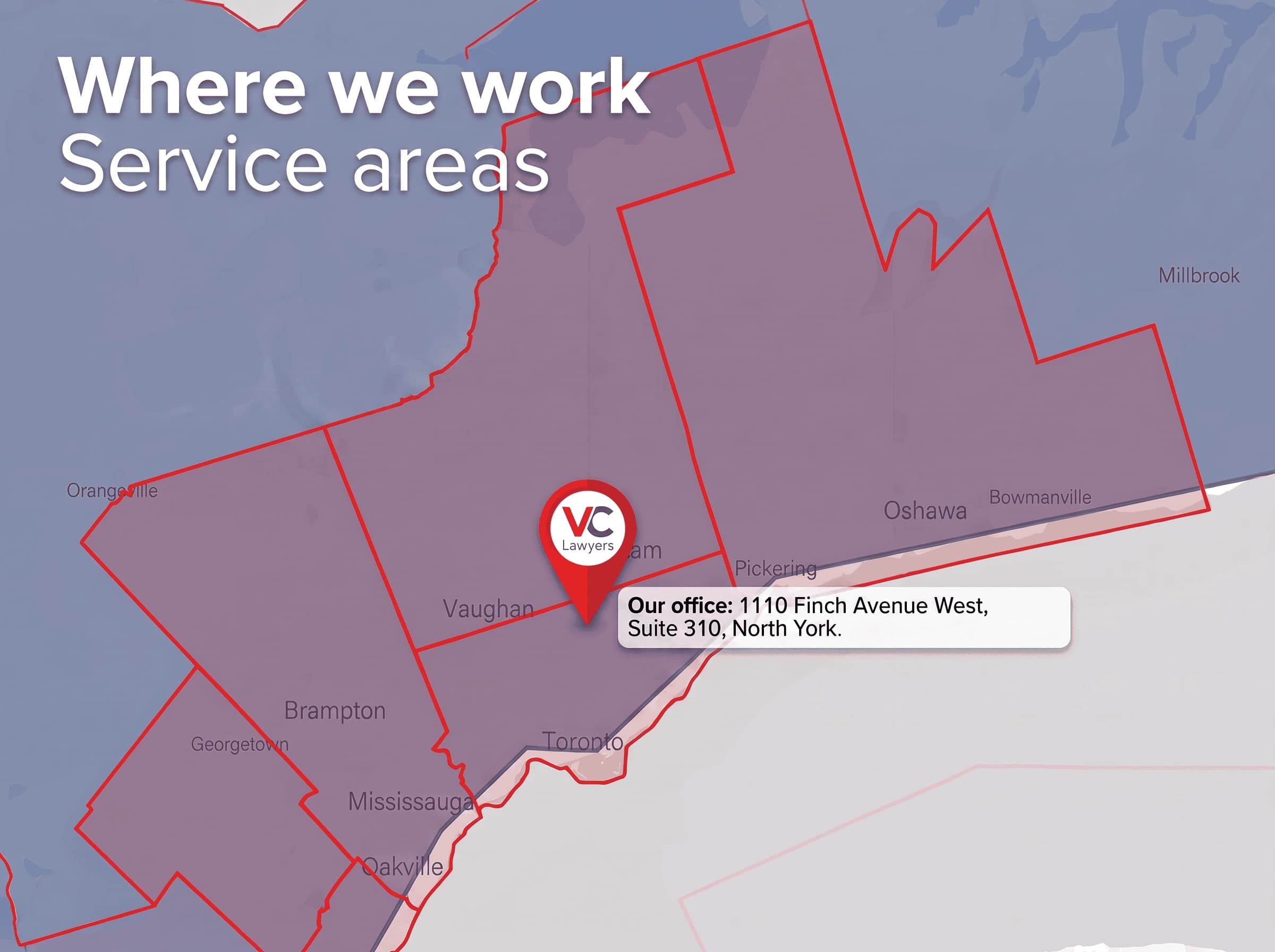
VC Lawyers service area map, Toronto and the Greater Toronto Area, with our North York office marked

Service areas

North York public transit accident lawyers serving every neighbourhood

From our office at Finch Ave W and Keele, directly on the Finch West LRT at Finch West Station, we represent transit accident victims across all of North York. That includes Willowdale, Don Mills, Downsview, York Mills, Bathurst Manor, Lansing, Newtonbrook, Bayview Village, Flemingdon Park, Jane and Finch, Yorkdale and Glen Park, Clanton Park, Parkwoods, and Victoria Village, plus neighbouring communities in Vaughan, Thornhill, Richmond Hill, Markham, Scarborough, Etobicoke, and Downtown Toronto.

Whether you were hurt in a sudden stop on a Finch East bus, struck boarding at the Finch terminal, injured on an escalator at Sheppard and Yonge, or hit by a transit vehicle crossing Steeles, our North York public transit accident lawyers provide local knowledge you can trust. Home and hospital visits are available when you cannot come to us.

Our office is at 1110 Finch Ave W #310, near Finch and Keele, with parking on site. By transit, take the Finch West LRT or the bus network connecting from Finch West Station on Line 1. If your injuries or circumstances make travel difficult, we come to you at home or in hospital, anywhere in North York.

Related practice areas

Continue exploring