VC·Lawyers®
North York critical illness lawyer, VC Lawyers

North York

North York Critical Illness Lawyer

Toronto Lawyers Association
Ontario Trial Lawyers Association (OTLA)
The Canadian Bar Association
Love Toronto
Consulate General of the Republic of Korea in Toronto
Korean Legal Clinic
Ontario Bar Association
Toronto Lawyers Association
Ontario Trial Lawyers Association (OTLA)
The Canadian Bar Association
Love Toronto
Consulate General of the Republic of Korea in Toronto
Korean Legal Clinic
Ontario Bar Association
Toronto Lawyers Association
Ontario Trial Lawyers Association (OTLA)
The Canadian Bar Association
Love Toronto
Consulate General of the Republic of Korea in Toronto
Korean Legal Clinic
Ontario Bar Association

Trusted by accident victims and businesses across Ontario

Overview

Critical illness claims in North York

Has your critical illness insurance claim been denied? Our experienced critical illness lawyers in North York represent people across the GTA whose insurers refused to pay the lump-sum benefit they were promised. We act after cancer diagnoses, heart attacks, strokes, multiple sclerosis, and the other life-altering conditions these policies exist to cover.

Our team has recovered over $30M+ for injured and disabled clients across North York, Ontario and the GTA. Critical illness denials are, in their way, the most galling cases in insurance law.

North York Critical Illness Lawyer, VC Lawyers

The definition gap, and how it gets closed

The policy was sold on a simple promise: get seriously sick, get paid. Premiums were collected for years on that promise. Then the denial letter arrives at the precise moment the promise was supposed to be kept, while you are in treatment, off work, and least equipped to fight.

Understand how these policies, and these denials, actually work. Critical illness insurance pays a tax-free lump sum on diagnosis of a covered condition, commonly tens of thousands to hundreds of thousands of dollars.

Cancer, heart attack, and stroke are the headline conditions. Modern policies list two dozen or more, from MS and Parkinson's to organ failure, major organ transplant, paralysis, and severe burns.

The money is yours to use as needed. It can replace income, pay for private treatment, pay down the mortgage, or bridge a family through the worst year of its life. You may hold the coverage through a workplace group plan, or through an individual policy you bought yourself, and the distinction matters legally.

Here is how most denials actually work, and it hides in the definitions. Your cardiologist says heart attack. The policy defines "heart attack" by specific diagnostic markers and test findings, and the insurer's reviewer says yours does not qualify.

Your oncologist says cancer. The policy carves out certain early-stage and non-invasive cancers, and the denial letter says yours falls in the carve-out. Your neurologist says stroke. The policy demands persisting neurological deficits measured at a defined interval, and the file reviewer disagrees that yours persist.

This is the definition gap, the space between medicine's diagnosis and the policy's drafted one, and it is where the majority of critical illness denials live.

Around it sit the other standard grounds for refusal. The survival period comes first, because many policies require you to survive a set number of days after diagnosis, often 30 days. Waiting and moratorium periods come next, and they commonly exclude cancers diagnosed or symptomatic within the first 90 days of coverage. Pre-existing condition exclusions do their own work.

Then comes the most aggressive move of all: rescission for alleged non-disclosure. The insurer combs your application years later and voids the entire policy over an answer it says was incomplete, often about matters unrelated to your illness.

None of these moves is the final word. Policy definitions are interpreted under Ontario law, and ambiguities are construed against the insurer who drafted them. Medical evidence can be rebuilt to address the definition's actual elements.

Rescission is the insurer voiding your policy, and it requires materiality: the insurer must prove that accurate disclosure would have changed the coverage decision. It is litigated, which means the insurer has to prove that in court rather than simply declare it. Insurers whose claims handling crosses into bad faith face damages beyond the benefit itself. Ontario courts have awarded mental-distress and punitive damages against carriers for exactly this conduct, and punitive damages are extra compensation a court can order to punish particularly unfair insurer conduct.

Most denied claims, properly built and pressed, settle. The rest are tried in the Ontario Superior Court of Justice, and we prepare every file as if it will be.

VC Lawyers is based right here in North York at 1110 Finch Ave W, and we bring 70+ years of combined experience fighting insurance companies to every critical illness file. From that point on, we deal with the insurer for you.

We also work with your treating physicians at the hospitals where your care is happening, including North York General, Humber River, Sunnybrook, and the downtown cancer and cardiac centres. Together we build medical evidence aimed at the policy's actual definitions.

Get in touch

Looking for legal help? Speak directly with a lawyer

Tell us what happened and a lawyer will personally review your case. Personal injury consultations are free and there are no fees unless we win. For all other practice areas, a consultation fee applies.

  • $30M+ recovered for injury clients
  • Available 24/7, including weekends
  • Service in English, Korean, and 6+ more languages

Prefer to call? (416) 661-4529

A VC Lawyers lawyer in consultation with a client at the North York office

Background

Critical illness denials in North York: what you need to know

The policies are everywhere in North York's working life. There are group critical illness riders in hospital and corporate benefits packages. There are individual policies sold across kitchen tables in Willowdale and Bathurst Manor, with the pitch every policyholder remembers: if the worst happens, your family gets a cheque.

Then the worst happens. The biopsy result, the ambulance, or the stroke ward at Sunnybrook or North York General. The claim goes in with the specialist's diagnosis attached, and the letter comes back parsing that diagnosis against three lines of policy drafting nobody read aloud at the kitchen table.

These cases begin in that gap, between the promise as sold and the policy as drafted. Our job is closing it.

The denials, and the wording they rest on

"Your condition doesn't meet the policy definition." This is the flagship. Cancer definitions exclude specified early-stage, in-situ (non-invasive), and low-grade diagnoses, so the question becomes staging, invasiveness, and pathology. It is answered by your oncologist's evidence, aimed at the definition's exact words.

Heart attack definitions demand specific diagnostic markers and findings. The cardiac record, the enzymes, and the imaging are assembled against the clause's elements, and borderline cases are exactly where independent cardiology opinion earns its keep.

Stroke definitions require neurological deficits persisting past a measured interval. The neurological record at that interval is what the claim turns on, and it is built deliberately rather than left to chance.

In every case, two principles work for you. The insurer drafted the definition, and Ontario law construes ambiguity against the drafter. And the definition has elements that are finite, listable, and provable, which means the denial can be answered element by element.

"The survival period wasn't met," and other timing disputes. Survival clauses and diagnosis-dating arguments decide the moratorium and survival questions. When was the condition "diagnosed," and when did it first "show signs and symptoms"? The medical chronology is rarely as simple as the denial letter claims, and we reconstruct it from the records.

"Pre-existing condition" and the 90-day cancer moratorium. These are exclusions for conditions predating coverage, plus the standard carve-out for cancers arising in the policy's opening window. Insurers stretch "signs and symptoms" backward to capture diagnoses the clause never fairly reached. Stretches get litigated.

Rescission: "you failed to disclose." The policy is voided, the premiums are refunded, and the claim is extinguished, over the application you completed years ago. A doctor's visit not mentioned. A symptom characterized differently. A question ambiguously asked and honestly answered.

Rescission requires the insurer to prove misrepresentation and materiality, meaning that accurate disclosure would have changed the underwriting. Applications taken by agents, ambiguous questions, and innocent answers all cut against it. This is the most aggressive weapon in the insurer's arsenal, and the most beatable when it is actually contested.

Group-policy complications. Workplace critical illness coverage adds its own layer. Plan booklets summarize the master policy, and sometimes misstate it. Enrolment and eligibility disputes arise, along with conversion questions. Sorting the true contractual terms is step one.

Not sure where you stand? One conversation will tell you.

A VC Lawyers lawyer meeting a client at the North York office

How recovery actually works

First, we rebuild the claim. Your treating specialists give evidence aimed at the elements of the policy's definition. Where an independent expert opinion is needed, we bring one in. We reconstruct the medical chronology for the clauses that turn on timing. And we obtain the insurer's own file and answer it point by point.

The lawsuit, where needed. We claim on the policy in the Ontario Superior Court of Justice for the benefit and the interest, with mental-distress and punitive damages pleaded where the handling warrants. Discovery puts the insurer's reviewers and underwriters under oath. Mediation resolves most claims and trial resolves the rest, and preparing for the trial is what produces fair numbers at the mediation.

The adjacent claims, coordinated. A critical illness rarely arrives alone. There are STD and LTD claims for the work absence, CPP disability where the condition persists, and employment and accommodation issues. Where the illness traces to an accident or exposure, the injury claims our broader practice runs come with it. One illness, one strategy.

By the numbers

Critical illness claim facts every North York policyholder should know

The policy wording and the denial patterns together define this practice.

  • The benefit is a lump sum on diagnosis

    It is tax-free, unrestricted, and payable once a covered condition is diagnosed and the policy's conditions are met. It is not income replacement and not reimbursement. It is money for your family to survive the illness on your terms.
  • Coverage lists run long, definitions run narrow

    Policies commonly cover 25+ conditions. Cancer, heart attack, and stroke sit at the core, with MS, Parkinson's, organ failure, transplant, paralysis, severe burns, and more around them. But every listed condition carries a drafted definition, with diagnostic criteria, staging carve-outs, and measurement requirements that the insurer's reviewers apply against your chart.
  • The definition gap is where most denials start

    Heart attacks are defined by specific markers and findings. Cancers carry early-stage, in-situ, and low-grade exclusions. Strokes require neurological deficits persisting past a measured interval. Your specialist's diagnosis is the beginning of the claim. Satisfying the definition's elements is the work.
  • Survival periods are real

    Many policies pay only if you survive a set period after diagnosis, commonly around 30 days. That clause has ended otherwise valid claims, and the dating rules that go with it demand careful reading.
  • The first-90-days cancer moratorium catches the unlucky

    Cancers diagnosed, or first showing signs and symptoms, within an initial window of coverage are typically excluded. That window is commonly 90 days. And "signs and symptoms" is exactly the elastic phrase insurers stretch.
  • Rescission is the nuclear option

    Insurers facing a valid claim may instead audit your original application and void the policy for alleged non-disclosure, sometimes over conditions unrelated to your illness. Rescission has legal requirements, materiality among them, that insurers must actually prove. It is contested successfully.
  • Bad faith carries its own price tag

    Ontario courts have awarded damages beyond the policy benefit, including punitive damages, against insurers whose claims handling was unfair. Critical illness denials at a policyholder's most vulnerable moment are exactly the territory where bad faith gets found.
  • The clock runs from the denial

    You generally have 2 years to sue under Ontario's Limitations Act. Internal appeals and "additional information" loops do not pause it.
Boardroom at VC Lawyers, 1110 Finch Avenue West, North York

Facing illness in North York

The cheque that was supposed to arrive with the diagnosis

Critical illness coverage was bought for one scenario, and North York families know it intimately. The diagnosis lands, at North York General, at Sunnybrook, or in a specialist's office off Sheppard. Life reorganizes around treatment within a week.

The mortgage does not pause. One income stops, and the other bends around hospital schedules. The costs nobody budgets arrive immediately: parking, prescriptions, help at home, and the things that make a hard year survivable.

The lump sum was supposed to arrive with them. Our practice exists for the families whose insurer decided otherwise, and our measure of success is the simplest in this whole set: the cheque, paid, while it can still do what it was bought to do.

The deadlines here are shorter than most people expect.

Step by step

What to do after a critical illness denial

  1. 01

    Date the denial letter and keep everything

    The letter, the policy or booklet, every form and email. The 2-year limitation clock likely started with that letter.
  2. 02

    Get the actual policy wording

    Not just the brochure or the booklet summary. The definitions decide these cases, and you are entitled to the master policy's text.
  3. 03

    Don't argue with the insurer yourself, and don't resubmit blind

    Explanations get used against you, and a resubmission aimed at nothing returns the same denial. The definition's elements are the targets.
  4. 04

    Ask your specialist the right question

    Not "am I sick," but whether the diagnosis satisfies the policy's specific criteria, covering staging, markers, deficits, and intervals. We frame these requests with your doctors directly.
  5. 05

    Preserve the medical chronology

    When symptoms started, when investigations began, and when diagnosis was made. That dating is what survival periods, moratoriums, and "signs and symptoms" clauses all turn on.
  6. 06

    In a rescission case, gather the application history

    The form, who completed it, what was asked aloud, and what you told the agent. That context is what defeats non-disclosure accusations.
  7. 07

    Keep paying any premiums still owing

    Unless you are advised otherwise. Do not hand the insurer a lapse argument on top of everything else.
  8. 08

    Mind the adjacent deadlines

    Short-term disability, long-term disability, and CPP disability claims for the same illness run on their own clocks, and the critical illness fight is no reason to miss them.
  9. 09

    Don't take desperation offers

    A discounted "goodwill" settlement priced against your treatment-month finances is the oldest move in the book. Have it valued first. The consultation is free.
  10. 10

    Contact a North York critical illness lawyer now

    Bring the letter, the policy, and the chronology. These cases turn on documents and deadlines, and both favour the side that moves first.

Our process

How our North York critical illness lawyers handle your case

  1. 01

    Free consultation, bring the denial letter and the policy

    Contact us with the denial letter, the policy or benefits booklet, and your diagnosis timeline. Our North York critical illness lawyer team maps the insurer's stated reasons against the policy's actual wording. We identify whether the fight is definitional, exclusionary, or rescission-based. Then we confirm your limitation deadline and outline the strategy, at zero obligation and zero cost.
  2. 02

    Close the definition gap, and obtain their file

    We get the insurer's complete claims file and take its reasoning apart. That file holds the opinions of the doctor who reviewed your claim for the insurer, the insurer's internal notes, and, in rescission cases, the underwriting file that shows how the insurer assessed the risk and decided to issue the policy. At the same time, we build the medical evidence the definition actually requires. We work with your treating specialists in oncology, cardiology, and neurology to produce reports that address the policy's specific diagnostic criteria, its staging language, and its measurement intervals. Where the records from your treating doctors need backup, we add an opinion from an independent specialist. In rescission cases, we reconstruct the application history: what was asked, what was answered, what was known, and what was material. Voiding a policy requires far more than an insurer's accusation.
  3. 03

    Demand, negotiate, litigate

    The rebuilt claim goes back to the insurer on litigation letterhead, and many resolve there. A definitional denial that survives a file reviewer often cannot survive a specialist's report aimed at the definition's elements. Where the insurer holds out, we sue in the Ontario Superior Court of Justice for the benefit, the interest, and, where the handling earned it, mental-distress and punitive damages. Most cases settle through discovery and mediation. We prepare every one for trial, because that preparation is what makes them settle properly.
  4. 04

    The lump sum, and where our fee comes from

    When the claim resolves by settlement or judgment, the lump sum your premiums purchased is paid to you, together with anything the insurer's own conduct adds to it. Our fee is drawn from that payment at the percentage in the written contingency fee agreement, and no legal fee is payable unless the claim succeeds. Disbursements, meaning the specialist reports and the chart review, are set out for you before signing.

Important

In Ontario, you generally have 2 years from the denial to sue on a critical illness policy. The insurer's invitations to appeal internally or submit "additional information" do not pause that clock. Survival periods, moratorium windows, and diagnosis dating can also turn on documents created right now, during treatment. If a denial letter is in your hands, the time for advice is now. Contact a critical illness lawyer in North York immediately.

Every situation is different. Yours deserves a specific answer.

Know their playbook

Insurance company tactics in critical illness claims

  • The definitional squeeze

    Your specialist's diagnosis is re-read against drafted criteria by a file reviewer who never met you. We answer it element by element, covering staging, markers, deficits, and intervals. We use evidence from your treating specialists and from independent ones, and where the policy wording is ambiguous, the rules courts use to read it favour you.
  • The retroactive underwriting audit

    A valid claim is met with a rescission file, and your application is combed for non-disclosure years later. Answered with materiality, the application's actual context, and litigation. Voiding a policy is theirs to prove, not to declare.
  • The "signs and symptoms" stretch

    Moratorium and pre-existing clauses reach backward to capture diagnoses they never fairly covered. Answered with the reconstructed medical chronology.
  • The information treadmill

    "One more form," "an additional report," repeated until exhaustion, while the limitation clock runs. Answered with deadlines protected and a lawsuit ready when the treadmill stops moving.
  • The goodwill discount

    A fraction of the benefit offered mid-treatment, priced against your worst month. Answered with valuation before signature, and with the knowledge that properly built claims settle far closer to the policy than to the "goodwill."
  • Process over people

    Claims treated as disputes from the first call, against policyholders in active treatment. That is exactly the conduct Ontario's bad-faith jurisprudence exists for, and where it is there, we plead it.

In the news

The promise as advertised vs. the policy as drafted

Critical illness insurance lives a double life in Canadian coverage. It is marketed in the language of peace of mind, the cheque that arrives when cancer does. It is litigated in the language of troponin thresholds, staging carve-outs, and disclosure audits.

Consumer reporting returns regularly to the gap. Claimants pay premiums for years, then get denied on definitional fine print, or voided retroactively over application minutiae.

The courts supply the counterweight. Ontario and Canadian decisions construe ambiguous policy language against insurers and, in the strongest cases, attach punitive damages to bad-faith claims handling.

For policyholders, the lesson is double-edged. Before claiming, the definitions matter more than the brochure. After a denial, the definitions are still the battlefield. But now the courts, not the insurer's reviewers, decide what they mean, any ambiguity is construed against the insurer who drafted it, and it is decided on medical evidence built for the purpose. That second reading is routinely kinder than the first.

Rather ask someone who handles these matters every week?

Why VC Lawyers

Why hire a critical illness lawyer in North York at VC Lawyers

  • A denial pattern we already know

    The same national carriers, reviewers, and tactics run through our disability and injury practice daily. A critical illness denial follows the same pattern, with a lump sum at stake.
  • We litigate definitions, not just sympathy

    Policy wording construed against its drafter. Medical evidence rebuilt to the definition's actual elements. And treating-specialist reports that answer the file reviewer point by point.
  • We contest rescission properly

    On materiality, on the application's actual questions, and on what was known and when. Voiding a policy is the insurer's accusation to prove, not its right to declare.
  • Contingency fee basis

    No upfront legal fees and a free consultation. You only pay if we win. No win, no fee.
  • We claim the conduct, not just the benefit

    Mental-distress and punitive damages where bad-faith handling earned them. Denying a cancer patient on a definitional technicality is exactly where courts have drawn that line.
  • We coordinate the whole picture

    The long-term disability (LTD) and short-term disability (STD) claims that often run alongside a critical illness, plus CPP disability and the employment front. One strategy, under one roof.
  • Multilingual service

    English, Korean (한국어), Hebrew, Mandarin, and more, reflecting the families of North York.

Choosing wisely

How to choose the right critical illness lawyer in North York

Before hiring any firm, ask these questions. Do they litigate policy definitions element by element, or just sympathize? Will they obtain the insurer's file and the master policy's actual wording, and rebuild the medical evidence with your specialists to the definition's criteria? Do they contest rescission on materiality, rather than accepting the refunded premiums?

Then ask how far they will go. Will they plead bad faith, including mental distress and punitive damages, where the handling earned it? Can they coordinate the STD, LTD, and CPP claims the same illness generates? And are they genuinely prepared to take a national carrier to trial?

At VC Lawyers, the answer to each is yes, from an office in the heart of North York, on a contingency fee taken from the recovery rather than from you, in your language.

Still weighing what to do next? That is what a first conversation is for.

Testimonials

What our North York clients say

4.8★★★★★·140 on Google
After my car accident, I went through an incredibly challenging time. Thanks to Lawyer Jun Lee and his exceptional team, I received tremendous support and strength.

Jay Kim

Personal Injury Client

When my mother suffered a serious head injury, I was devastated. After meeting Lawyer Jae Hyon Cho, my family was able to receive substantial compensation.

Minkyung Park

Personal Injury Client

Avi Vaturi was professional, responsive, and thorough. When the transaction became complex, his calm communication and practical solutions navigated us to a smooth close.

Jordan Glaser

Real Estate Co-Counsel

Mr. Avi Vaturi did a fantastic job. The whole process was seamless — timely, detailed, and professional from start to finish.

Howard Huang

Real Estate Client

He helped me with both my car accident case and the buying and selling of my home. Everything was handled professionally and efficiently.

Yoon Jung

Personal Injury & Real Estate Client

Jae Cho was great to deal with and very attentive to my case. His associate Sunny was also very helpful. I would highly recommend.

Jordan Ungerman

Personal Injury Client

Their professionalism, attention to detail, and commitment to clients truly stand out. Whether handling urgent matters or guiding me through complex issues, the team delivered.

Charles Hong

Long-time Client

It has been my pleasure to work with Jae Cho and his team. Knowledgeable, clear in their explanations, and the process was smooth and stress-free.

Joanne Jeong

Real Estate Client

Vaturi & Cho LLP is an outstanding law firm. They explain even complex matters clearly, and their dedication to achieving the best outcomes is truly impressive.

Jong Ko

Client

The team was not only knowledgeable but also very kind and attentive throughout the entire process. Highly recommended.

Tobi

Client

After my car accident, I went through an incredibly challenging time. Thanks to Lawyer Jun Lee and his exceptional team, I received tremendous support and strength.

Jay Kim

Personal Injury Client

When my mother suffered a serious head injury, I was devastated. After meeting Lawyer Jae Hyon Cho, my family was able to receive substantial compensation.

Minkyung Park

Personal Injury Client

Avi Vaturi was professional, responsive, and thorough. When the transaction became complex, his calm communication and practical solutions navigated us to a smooth close.

Jordan Glaser

Real Estate Co-Counsel

Mr. Avi Vaturi did a fantastic job. The whole process was seamless — timely, detailed, and professional from start to finish.

Howard Huang

Real Estate Client

He helped me with both my car accident case and the buying and selling of my home. Everything was handled professionally and efficiently.

Yoon Jung

Personal Injury & Real Estate Client

Jae Cho was great to deal with and very attentive to my case. His associate Sunny was also very helpful. I would highly recommend.

Jordan Ungerman

Personal Injury Client

Their professionalism, attention to detail, and commitment to clients truly stand out. Whether handling urgent matters or guiding me through complex issues, the team delivered.

Charles Hong

Long-time Client

It has been my pleasure to work with Jae Cho and his team. Knowledgeable, clear in their explanations, and the process was smooth and stress-free.

Joanne Jeong

Real Estate Client

Vaturi & Cho LLP is an outstanding law firm. They explain even complex matters clearly, and their dedication to achieving the best outcomes is truly impressive.

Jong Ko

Client

The team was not only knowledgeable but also very kind and attentive throughout the entire process. Highly recommended.

Tobi

Client

After my car accident, I went through an incredibly challenging time. Thanks to Lawyer Jun Lee and his exceptional team, I received tremendous support and strength.

Jay Kim

Personal Injury Client

When my mother suffered a serious head injury, I was devastated. After meeting Lawyer Jae Hyon Cho, my family was able to receive substantial compensation.

Minkyung Park

Personal Injury Client

Avi Vaturi was professional, responsive, and thorough. When the transaction became complex, his calm communication and practical solutions navigated us to a smooth close.

Jordan Glaser

Real Estate Co-Counsel

Mr. Avi Vaturi did a fantastic job. The whole process was seamless — timely, detailed, and professional from start to finish.

Howard Huang

Real Estate Client

He helped me with both my car accident case and the buying and selling of my home. Everything was handled professionally and efficiently.

Yoon Jung

Personal Injury & Real Estate Client

Jae Cho was great to deal with and very attentive to my case. His associate Sunny was also very helpful. I would highly recommend.

Jordan Ungerman

Personal Injury Client

Their professionalism, attention to detail, and commitment to clients truly stand out. Whether handling urgent matters or guiding me through complex issues, the team delivered.

Charles Hong

Long-time Client

It has been my pleasure to work with Jae Cho and his team. Knowledgeable, clear in their explanations, and the process was smooth and stress-free.

Joanne Jeong

Real Estate Client

Vaturi & Cho LLP is an outstanding law firm. They explain even complex matters clearly, and their dedication to achieving the best outcomes is truly impressive.

Jong Ko

Client

The team was not only knowledgeable but also very kind and attentive throughout the entire process. Highly recommended.

Tobi

Client

After my car accident, I went through an incredibly challenging time. Thanks to Lawyer Jun Lee and his exceptional team, I received tremendous support and strength.

Jay Kim

Personal Injury Client

When my mother suffered a serious head injury, I was devastated. After meeting Lawyer Jae Hyon Cho, my family was able to receive substantial compensation.

Minkyung Park

Personal Injury Client

Avi Vaturi was professional, responsive, and thorough. When the transaction became complex, his calm communication and practical solutions navigated us to a smooth close.

Jordan Glaser

Real Estate Co-Counsel

Mr. Avi Vaturi did a fantastic job. The whole process was seamless — timely, detailed, and professional from start to finish.

Howard Huang

Real Estate Client

He helped me with both my car accident case and the buying and selling of my home. Everything was handled professionally and efficiently.

Yoon Jung

Personal Injury & Real Estate Client

Jae Cho was great to deal with and very attentive to my case. His associate Sunny was also very helpful. I would highly recommend.

Jordan Ungerman

Personal Injury Client

Their professionalism, attention to detail, and commitment to clients truly stand out. Whether handling urgent matters or guiding me through complex issues, the team delivered.

Charles Hong

Long-time Client

It has been my pleasure to work with Jae Cho and his team. Knowledgeable, clear in their explanations, and the process was smooth and stress-free.

Joanne Jeong

Real Estate Client

Vaturi & Cho LLP is an outstanding law firm. They explain even complex matters clearly, and their dedication to achieving the best outcomes is truly impressive.

Jong Ko

Client

The team was not only knowledgeable but also very kind and attentive throughout the entire process. Highly recommended.

Tobi

Client

Our team

Meet your North York legal team

Our lawyers bring decades of combined experience fighting insurers across North York and Ontario, in critical illness denials, disability claims, and bad-faith litigation alike. Every client at VC Lawyers works directly with a dedicated North York critical illness lawyer who takes over the insurer and the deadlines, so your energy goes where it belongs: your treatment and your family.

Who handles your file

The people on your matter

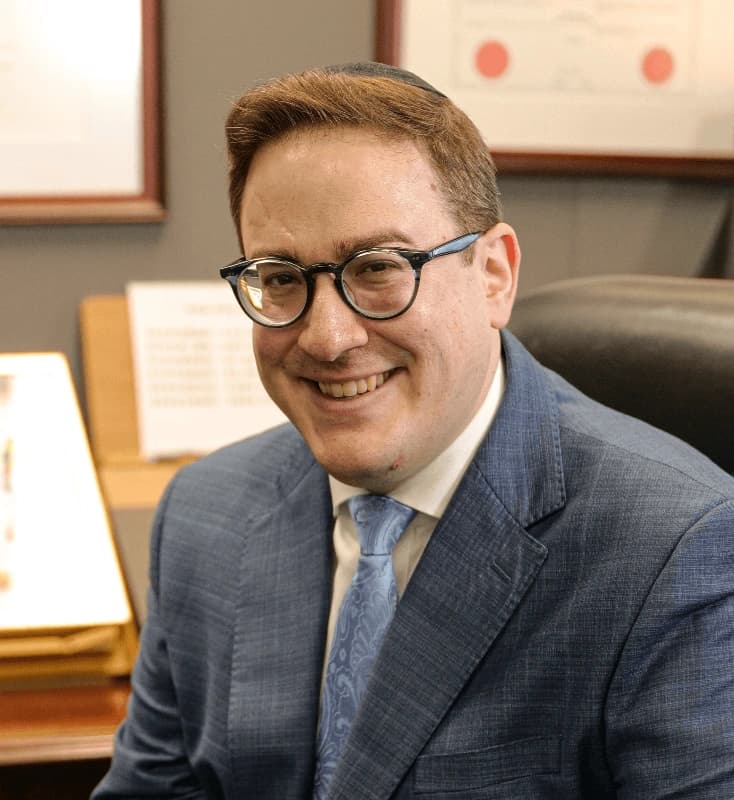
  • Avi Vaturi, Partner

    Senior litigation counsel with extensive experience suing insurers on policy interpretation, rescission, and bad-faith claims.
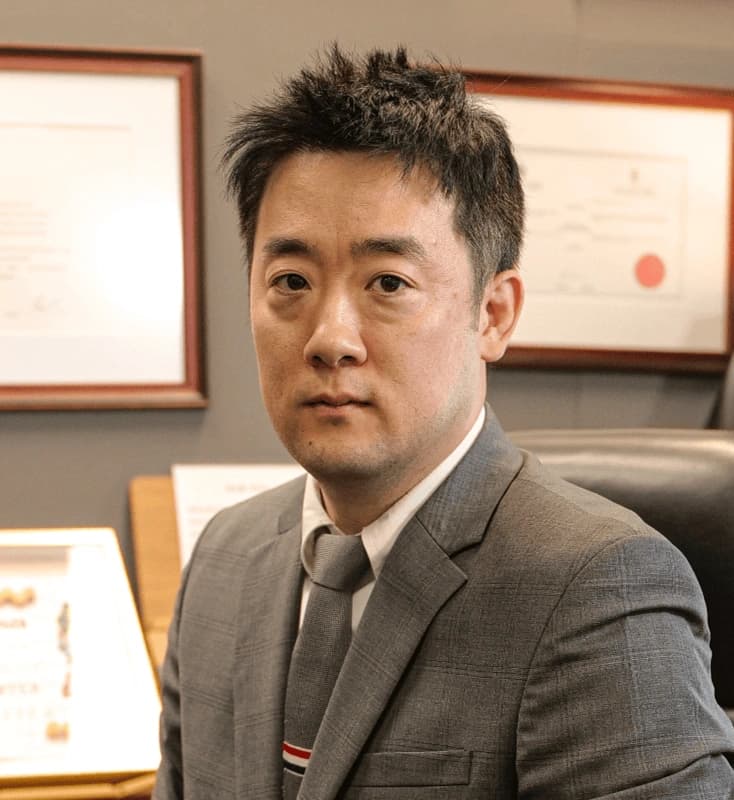
  • Jae Hyon Cho, Co-Managing Partner

    Experienced counsel focused on serious illness and disability files, including coordinated critical illness and LTD strategies.
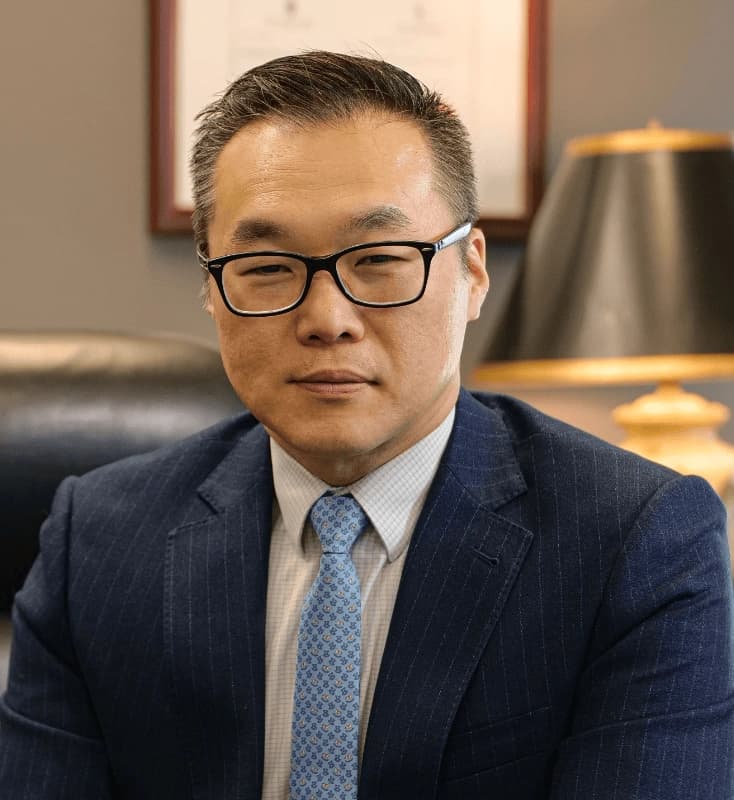
  • Jun Ki Lee, Associate

    Dedicated associate handling insurance litigation and benefits coordination across North York and the GTA.
  • Allan Weiss, Associate

    Experienced litigator providing strategic guidance on high-value insurance lawsuits and appeals.

Not sure where you stand? One conversation will tell you.

Key metrics

In the numbers

Recovered for injured and disabled clients
$30M+
Cases handled
4,000+
Years combined experience
70+
No fee, contingency basis
No Win
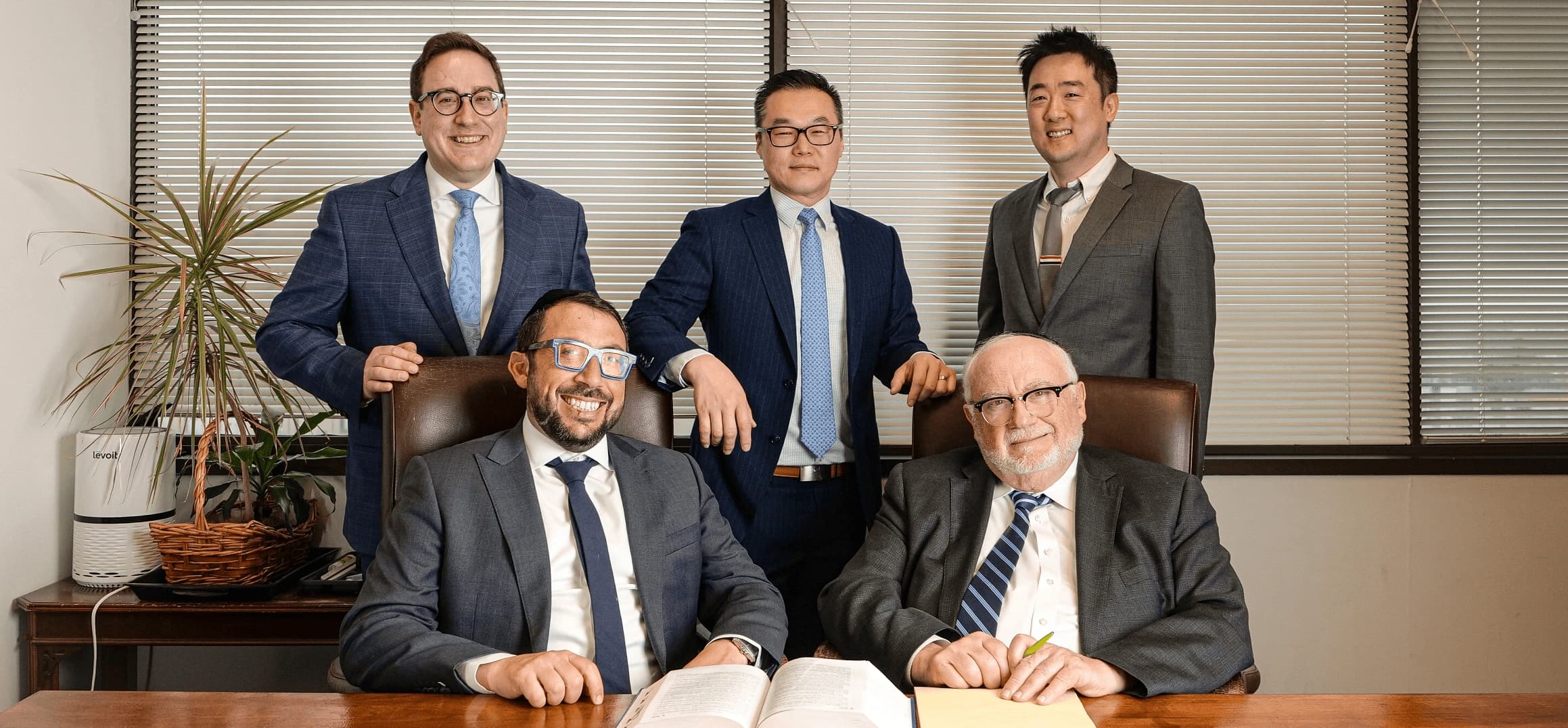
VC Lawyers Toronto legal team, Vaturi & Cho LLP

Talk to us

Every denied critical illness claim deserves a real legal review

The first 30-minute consultation is free and confidential. Bring the denial letter and your policy or benefits booklet. We will measure the insurer's reasoning against the policy's actual wording, confirm your deadline, and give you an honest assessment the same day.

There is no fee unless we recover. Hospital, home, and video consultations are available across North York and the GTA, because we come to where your treatment is.

Book Free Consultation

Frequently asked questions

We answered all

  • My doctor diagnosed a covered condition, but the insurer says it "doesn't meet the policy definition." How is that possible?
    Because the policy does not insure your doctor's diagnosis. It insures its own drafted definition of it: heart attacks defined by specific markers and findings, cancers with early-stage and in-situ carve-outs, strokes requiring deficits persisting past a measured interval. The gap between the two is where most denials live, and it is answerable. The definition has finite elements, your specialists can address them directly, and Ontario law construes ambiguous wording against the insurer who drafted it. Bring us the denial and the policy, because the comparison is the case.
  • The insurer is voiding my entire policy for "non-disclosure" on my application years ago. Can they do that?
    They can allege it. Proving it is another matter. Rescission requires the insurer to establish misrepresentation and materiality, meaning that accurate disclosure would actually have changed the underwriting. Ambiguous questions, agent-completed applications, innocent answers, and irrelevant conditions all cut against it. Rescission is the insurer's most aggressive weapon precisely because it extinguishes valid claims without ever engaging the illness, and it is contested, and defeated, regularly. Do not accept the refunded premiums as the end of the story.
  • What conditions does critical illness insurance cover?
    The core trio of cancer, heart attack, and stroke anchors nearly every policy. Modern coverage commonly lists 25 or more conditions: multiple sclerosis, Parkinson's, organ failure and transplant, paralysis, severe burns, blindness, deafness, and others. Each comes with its own drafted definition and criteria. That is why the policy's schedule of definitions, not the marketing list, is the document that matters.
  • What is the "survival period" the denial letter mentions?
    It is the clause requiring you to survive a set period after the diagnosis or event before the policy pays, commonly around 30 days. It is a real clause with hard consequences. Its application, though, turns on dating questions: when was the diagnosis made, and when did the event occur? The medical chronology answers those, and the chronology is rarely as simple as the denial assumes.
  • I was diagnosed with cancer a few months after buying the policy and was denied under a "90-day" clause. Is that legal?
    Legal in principle, and still very much contestable. Moratorium clauses are standard, and they exclude cancers diagnosed, or first showing "signs and symptoms," within an opening window commonly set at 90 days. The fight is in the application. Insurers stretch "signs and symptoms" backward to capture diagnoses the clause never fairly reached. The reconstructed medical chronology decides it, meaning what was actually known, investigated, and symptomatic, and when. Stretches lose in court more often than denial letters suggest.
  • What can I actually win in a critical illness lawsuit?
    The policy benefit itself, with interest. Where the insurer's claims handling crossed into bad faith, additional damages follow, because Ontario courts have awarded mental-distress damages and, in the strongest cases, punitive damages against insurers for unfair handling. Denying a policyholder mid-treatment on a strained technicality is exactly the territory where such awards live, and we plead them where the conduct is there.
  • How long do I have to fight the denial?
    Generally 2 years from the denial, under Ontario's Limitations Act. The insurer's internal appeal invitations and "additional information" requests do not pause the clock. The safe rule is simple: the date on the denial letter is the date the countdown started.
  • My critical illness coverage is through work. Does that change anything?
    It adds a layer. Group coverage is governed by a master policy that your booklet only summarizes, and sometimes summarizes inaccurately. Enrolment, eligibility, and evidence-of-insurability wrinkles come with it, and the gap between booklet and master policy is itself litigated. Step one is obtaining the actual contractual wording, and we do it as a matter of course.
  • The insurer offered me a partial "goodwill" payment to close the file. Should I take it?
    Not before it is valued. Goodwill offers are priced against your treatment-month finances, not against the claim's worth, and properly rebuilt claims settle far closer to the policy benefit than to the discount. A release signed now ends the claim forever, while a free consultation first costs nothing.
  • Can I claim critical illness AND disability benefits for the same illness?
    Usually yes. They are different products answering different needs: the critical illness lump sum on diagnosis, STD and LTD income replacement for the work absence, and CPP disability where the condition persists. They run on separate clocks and separate tests. Coordinating them, rather than letting one file's statements undercut another's, is exactly why one firm should run all of them.
  • How much does a critical illness lawyer cost in North York?
    Nothing upfront. VC Lawyers works on a contingency fee basis, with no fees unless we win, and the initial consultation is always free. You paid the premiums for years. Making the insurer honour them should not cost your family more in the hardest year it has.
  • Does VC Lawyers handle critical illness cases outside North York?
    Yes. We represent policyholders across the entire GTA and Ontario, against every major Canadian carrier. Hospital, home, and video consultations are available wherever your treatment has you. The file runs the same way from anywhere: the actual policy wording obtained, the definition answered element by element, and the limitation deadline protected from the first call.

North York critical illness lawyers

You got the diagnosis. Where's the cheque you paid for?

The pitch was simple and the premiums were real. A serious diagnosis would mean a lump sum, when your family needed it most. The denial letter rewrites that promise in definitional fine print. But the fine print is a contract, contracts are construed against their drafters, and the moment your specialists' evidence is aimed at the definition's actual elements, the insurer's whole case starts reading differently. Bring us the letter and the policy. The comparison is free, and it is usually the beginning of the end of the denial. The first consultation is free, and you pay no legal fees unless we win your case.

Toronto Office

Vaturi & Cho LLP

1110 Finch Ave W #310
North York, ON M3J 2T2
info@vclawyers.ca
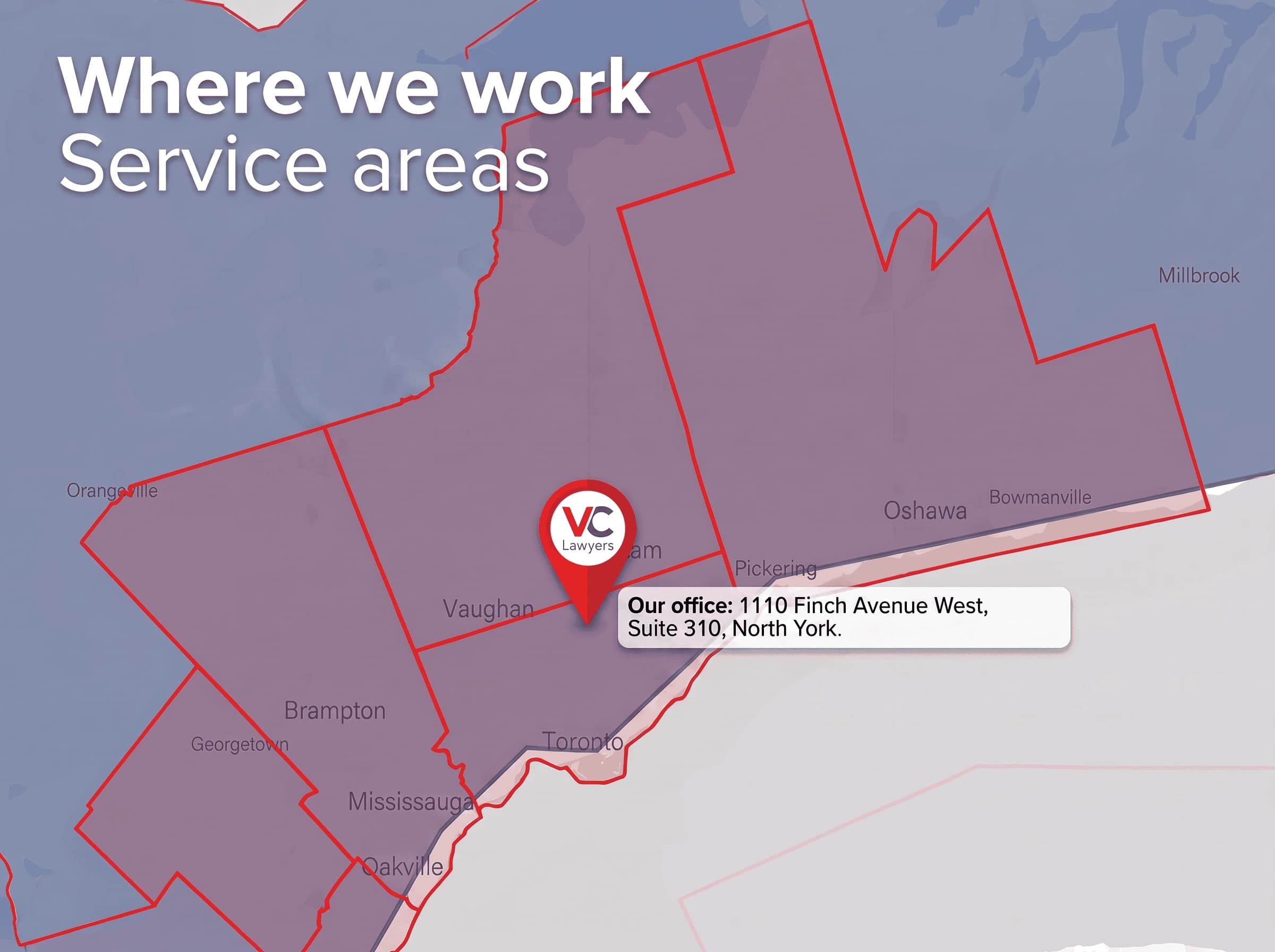
VC Lawyers service area map, Toronto and the Greater Toronto Area, with our North York office marked

Service areas

North York critical illness lawyers serving every neighbourhood

From our office at Finch Ave W and Keele, we represent critical illness claimants across all of North York, including Willowdale, Don Mills, Downsview, York Mills, Bathurst Manor, Lansing, Newtonbrook, Bayview Village, Flemingdon Park, Jane and Finch, Yorkdale and Glen Park, Clanton Park, Parkwoods, and Victoria Village. We also serve neighbouring communities in Vaughan, Thornhill, Richmond Hill, Markham, Scarborough, Etobicoke, and Downtown Toronto.

Whatever the diagnosis, whether cancer, heart attack, stroke, or any covered condition, and whoever the carrier, our North York critical illness lawyers provide the experience your claim requires. Hospital, home, and video consultations are available, and our office offers parking and TTC access (Finch West Station).

Our office is at 1110 Finch Ave W #310, near Finch and Keele, with parking on site. By transit, take the Finch West LRT or the bus network connecting from Finch West Station on Line 1. If your injuries or circumstances make travel difficult, we come to you at home or in hospital, anywhere in North York.

Related practice areas

Continue exploring