VC·Lawyers®
North York corporate governance lawyer, VC Lawyers

North York

North York Corporate Governance Lawyer

Toronto Lawyers Association
Ontario Trial Lawyers Association (OTLA)
The Canadian Bar Association
Love Toronto
Consulate General of the Republic of Korea in Toronto
Korean Legal Clinic
Ontario Bar Association
Toronto Lawyers Association
Ontario Trial Lawyers Association (OTLA)
The Canadian Bar Association
Love Toronto
Consulate General of the Republic of Korea in Toronto
Korean Legal Clinic
Ontario Bar Association
Toronto Lawyers Association
Ontario Trial Lawyers Association (OTLA)
The Canadian Bar Association
Love Toronto
Consulate General of the Republic of Korea in Toronto
Korean Legal Clinic
Ontario Bar Association

Trusted by accident victims and businesses across Ontario

Overview

Corporate governance in North York

Running a corporation in North York? Our experienced corporate governance lawyers in North York keep local businesses legally sound from the inside. We maintain the minute books the law requires. A minute book is your company's official file of who owns it, who runs it, and what has been formally decided, and lenders, buyers, and the CRA all read it eventually. We handle the annual resolutions, meetings, and corporate returns that keep a corporation in good standing. Neglect those and the government can dissolve your corporation.

We also draft the shareholder agreements and unanimous shareholder agreements that decide who really controls the company, and what happens when partners disagree, divorce, die, or want out. We advise on the director and officer duties that put personal obligations behind every board decision. And we run the governance health-checks that make a company ready for the moments that matter: the financing, the sale, and the dispute.

North York Corporate Governance Lawyer, VC Lawyers

The book, the filings, and the agreement nobody wrote

Based at 1110 Finch Ave W, our team brings 70+ years of combined legal experience to the corporations behind North York's plazas, warehouses, clinics, and family businesses. Most of them were incorporated carefully and then governed by accident.

Start with the legal frame, because every Ontario corporation lives inside it whether anyone is looking or not. Your company is governed by its statute: Ontario's Business Corporations Act (OBCA) for provincial corporations, and the CBCA federally. Three documents do the rest of the work. The articles of incorporation are the constitution, the bylaws are the operating rules, and any shareholder agreement is the deal between the owners.

Directors must be qualified individuals, meaning eighteen or older, solvent, and capable. Ontario has dropped its residency requirement, while federal corporations can still need a Canadian-resident component on the board. Directors also owe the corporation real duties: to act honestly, in good faith, in the company's best interests, and with the care of a reasonably prudent person.

Those duties carry personal exposure, meaning a director can be made to pay out of their own pocket. Classic examples include unpaid wages and source deductions, the payroll money a company holds back from employees' pay and must send to the government. In practice, directors meet these duties the same way the executor of an estate meets theirs, by making decisions properly and documenting them. Officers execute what the board directs. Shareholders elect, remove, and, through the right agreement, can take far more control than the default statute gives them.

Now the unglamorous record that decides whether any of that exists on paper: the minute book. Every Ontario corporation is required to maintain one, as the official record of formation, governance, and key decisions.

The book holds the articles and bylaws, the registers of directors, officers, and share transfers, the share certificates and ledgers, and every resolution and meeting minute. It holds the annual approvals of financial statements and the dividends declared. Under the modern transparency rules it holds one thing more: the register of individuals with significant control, which corporations must now keep current.

Most small corporations fall quietly out of compliance here. The book is never updated after incorporation. Dividends are paid with no resolution behind them. Shares are "transferred" at a kitchen table with no paper. Directors are changed at the registry but nowhere else.

The cost arrives later, all at once. The bank reviews your records and the financing stalls. The buyer reviews your records and the sale price drops. A CRA review asks for the dividend resolutions. Or a shareholder dispute begins, and the absent records become everyone's weapon.

Alongside the book runs the filing trap that catches more corporations than any other. Since the registry's modernization, the annual corporate return is separate from the tax return. It is filed with the Ontario Business Registry, or with Corporations Canada, on its own clock. Corporations that miss it can be flagged delinquent and ultimately dissolved by the government, a fate that arrives by default, not by decision.

We bring corporations current through minute book rectification, which rebuilds years of missing records lawfully and accurately. We keep them current on an annual-maintenance basis. And we calendar the filings, so good standing never depends on memory.

Then there is the document that matters most and exists least: the shareholder agreement. The statute's defaults are built for strangers. Your co-shareholders are partners, spouses, siblings, and friends, and the agreement is where the real constitution gets written.

A real agreement settles how decisions are made and which ones need unanimity. It settles how shares can and cannot change hands. That is done with rights of first refusal, meaning the other owners get the first chance to buy any shares put up for sale, and with permitted transferees, meaning the short list of people you are allowed to transfer shares to. It sets out what happens on the five Ds of death, disability, divorce, default, and departure. For that it uses shotgun clauses, where one owner names a price and the other must either buy or sell at that price, buy-sell mechanics, and valuation formulas agreed while everyone is friends.

It protects minority shareholders, and it protects majority shareholders from holdouts, through drag-along and tag-along rights. Add non-competition and confidentiality terms, plus dispute resolution that is faster than a courtroom.

A unanimous shareholder agreement (USA) goes further still. It lawfully shifts powers from the directors to the shareholders themselves. That is the tool that lets owner-managed companies be governed the way they are actually run.

When governance fails anyway, whether through the frozen-out minority, the director self-dealing, or the deadlocked board, Ontario's oppression remedy and related relief stand behind the documents. Our litigation practice stands behind you. The same firm that papers the governance can fight over it, which is precisely why our papering anticipates the fights.

Consultations are billed. Our fees depend on the matter and the situation, and they are set out in writing before work begins. With service in 8+ languages, VC Lawyers is the outside counsel North York's corporations actually need: not a legal department, just a firm at Finch and Keele that picks up the phone.

Get in touch

Looking for legal help? Speak directly with a lawyer

Tell us what happened and a lawyer will personally review your case. Personal injury consultations are free and there are no fees unless we win. For all other practice areas, a consultation fee applies.

  • $30M+ recovered for injury clients
  • Available 24/7, including weekends
  • Service in English, Korean, and 6+ more languages

Prefer to call? (416) 661-4529

A VC Lawyers lawyer in consultation with a client at the North York office

Background

Corporate governance in North York: what you need to know

North York's economy runs on owner-managed corporations. There is the numbered company holding the plaza, the professional corporation behind the clinic, the family business on its second generation along Keele, and the two-partner operation that started with a handshake and a thousand shares.

Almost all of them were incorporated properly. Far fewer have been governed. The difference surfaces on exactly four occasions: the financing, the sale, the tax review, and the falling-out. This practice exists so all four go well.

The obligations, plainly

The minute book is the mandatory official record. It holds the articles and bylaws, the minutes and resolutions of directors and shareholders, and the registers of directors, officers, and share transfers, plus the share certificates and ledgers. It also holds the annual financial-statement approvals and the government filings.

One more record belongs there now. The transparency era requires the register of individuals with significant control, kept current as ownership and control actually sit. The book's quality is tested by outsiders: lenders' counsel, buyers' counsel, the CRA, and, in shareholder disputes, by everyone.

The annual cycle. Directors and shareholders must act every year, through meetings or written resolutions. They approve the statements, elect the directors, and appoint the officers and the accountants.

The annual corporate return runs on its own statutory clock, separate from taxes. Ontario corporations file within six months of fiscal year-end through the Ontario Business Registry. Federal corporations file within two months of their anniversary. Missed returns flag delinquency, and persistent delinquency invites involuntary dissolution, the quiet death of corporations whose owners thought the accountant "handled all that."

Directors and officers. Directors set direction and bear the duties of honesty, good faith, best interests, and prudent care. They also bear the personal liabilities the statutes attach, with employee wages and unremitted deductions the famous ones.

In practice those liabilities are managed by qualified appointments, documented decisions, conflicts declared, and resignations filed properly when service ends. Officers carry out the board's direction under titles the bylaws define. In the owner-managed company the same three people hold every seat, which makes the paper distinguishing the hats more important, not less.

Shares and their movements. Issuances, transfers, redemptions, and the dividends paid on them all require authorization and papering, through resolutions, updated registers, and certificates. The unpapered version is the kitchen-table transfer and the dividend that was "just a draw," and that version is precisely what diligence, divorces, estates, and the CRA later contest.

Not sure where you stand? One conversation will tell you.

A VC Lawyers lawyer meeting a client at the North York office

The shareholder agreement, what actually goes in it

Decision rules. What the board decides, what needs shareholder approval, and what needs unanimity. These are the veto rights that protect minorities without paralyzing the company.

Transfer restrictions. Rights of first refusal and permitted transferees, meaning the family trust yes, the competitor no. Then the drag-along and tag-along pairing, which lets a sale of the company actually happen while protecting the minority's price.

The five Ds. Death comes first. It is handled by a buy-sell clause, often funded by life insurance, which lets the company or the other owners buy the shares from the deceased owner's estate at a price set by an agreed formula, instead of leaving a surviving spouse as your new business partner. Then disability. Then divorce, where the agreement keeps shares out of the reach of equalization, the payment that balances the value of what each married spouse built up during the marriage, as far as the law allows.

Default and departure round out the list. Each of the five carries its own trigger, its own valuation method, and its own funding, all agreed in peacetime.

The USA. Where owners want shareholder control in law as well as in fact, the unanimous shareholder agreement transfers specified directors' powers to the shareholders. It binds current and future holders, and it aligns the legal structure with how the company is actually run.

The remedies behind it all. When governance fails through exclusion, self-dealing, or deadlock, Ontario's oppression remedy and related relief protect reasonable expectations. Our litigation practice prosecutes and defends exactly these claims. The best version of that practice, though, is the agreement that made it unnecessary.

By the numbers

Corporate governance facts every North York business owner should know

The obligations, the documents, and the traps.

  • Three documents govern every corporation

    The articles are the constitution. The bylaws are the operating rules. The shareholder agreement is the owners' real deal. All three are read together with the OBCA or CBCA, and they are only as good as their consistency with each other.
  • The minute book is mandatory, not optional

    It holds the articles, bylaws, resolutions, and minutes, plus the directors, officers, and share-transfer registers, the share certificates, and the annual approvals. Add the modern register of individuals with significant control. This is the record the law requires and diligence eventually reads.
  • The annual return is not your tax return

    Since the registry's modernization, corporations file a separate annual corporate return. Ontario corporations file within six months of fiscal year-end, federal corporations within two months of the anniversary. Missing it can end in government dissolution by default.
  • Annual governance is annual

    Directors and shareholders pass annual resolutions or hold meetings. Financial statements get approved. Dividends and bonuses get papered. That is the yearly minimum, and most owner-managed corporations quietly skip it until a bank, buyer, or auditor asks.
  • Directors carry personal exposure

    Directors owe duties of honesty, good faith, best interests, and prudent care. The personal liability classics are employee wages and unremitted source deductions. That exposure makes documented decisions and timely resignations more than formalities.
  • The statute's defaults are built for strangers

    Without a shareholder agreement, share transfers, deadlocks, exits, death, and divorce are all handled by default statutory rules that nobody chose and that were written for strangers, not partners.
  • A unanimous shareholder agreement (USA) rewrites who governs

    This special type of agreement lawfully moves powers from directors to the shareholders themselves. It is the tool that lets owner-managed companies be governed the way they are actually run.
  • Your records are tested at the moments that matter most

    Financings, sales, and disputes all begin with a review of the corporate record book and the agreements. Clean records are worth real money on exactly the days the company matters most.
Boardroom at VC Lawyers, 1110 Finch Avenue West, North York

Business in North York

The corporations behind the corridors

Behind every address this firm's other practices serve stands a corporation this practice serves. The holding company on the plaza's title. The operating company running the restaurant. The professional corporation behind the clinic on Sheppard. The family logistics company on Keele crossing into its second generation. The two-founder startup above a Willowdale storefront.

Their governance needs are identical, and identically postponed: the corporate records brought up to date, the shareholder agreement finally written, the returns filed, the share transfers documented, and the succession planned with the wills our estates practice drafts.

One office at Finch and Keele covers the whole corporate life, from formation to financing to handoff, in the languages the businesses here actually run on.

The deadlines here are shorter than most people expect.

Step by step

What to do

  1. 01

    Find your corporate record book

    Then open it. If the last entry is from your incorporation and nothing has been added since, you have found the problem.
  2. 02

    Confirm your annual-return status today

    Check the Ontario Business Registry or Corporations Canada online. You can verify your standing in minutes and fix a lapsed filing before it leads to dissolution.
  3. 03

    List every share transfer and dividend since incorporation

    When we bring your records up to date, we rebuild them based on what actually happened. Start by assembling the facts.
  4. 04

    Establish your transparency register

    Ontario law now requires corporations to maintain a register of the individuals who actually control the company. This is mandatory, not optional.
  5. 05

    Have the shareholder conversation while it's easy

    Discuss what happens if a partner dies, becomes disabled, gets divorced, wants out, or defaults on obligations. Agree on how to value the business and how exits work. These agreements are much easier to negotiate while everyone still gets along.
  6. 06

    Document this year's governance decisions now

    Annual board resolutions, financial statement approvals, and dividends should all be documented in coordination with your accountant so the legal record matches the tax filings.
  7. 07

    Check your director list everywhere

    That means the Ontario registry, the corporate record book, and the bank records. Directors who have left should have their resignations documented in writing and filed, for their protection and yours.
  8. 08

    Put your annual filings on a calendar

    Or hand the entire annual compliance cycle to us. That is exactly what our maintenance service does.
  9. 09

    Before any financing, sale, or new shareholder, run the records check first

    When a buyer, lender, or new partner reviews your corporate records, clean and complete records preserve value. Messy records cost you money at the negotiating table.
  10. 10

    Contact a North York corporate governance lawyer this month

    The records check comes first, and our fees for the fixes are set out in writing. Every issue on this page gets worse the longer it sits.

Our process

How our North York corporate governance lawyers work with your business

  1. 01

    Consultation, the governance health-check

    We read what exists. That means the minute book's state, the registry's records, the shareholder landscape, and the status of the filings. Then we map the gaps: the missing resolutions, the unpapered share moves, the absent agreement, and the overdue return. You leave with an honest report, and our fees for exactly what needs doing, set out in writing and in priority order.
  2. 02

    Bringing your records up to date

    Where years of records are missing, we rebuild them lawfully. Resolutions are prepared for the decisions actually made, including dividends, director changes, and share transfers. Registers are reconstructed and corrected, the transparency register is established, and registry filings are updated. The annual return is brought current before a lapsed filing leads to dissolution. This is the one-time cleanup that turns a buyer's or lender's records review from a threat into a formality.
  3. 03

    The agreements that govern your partnership

    We draft the shareholder agreement to fit your actual partnership. That covers how decisions are made, how shares can and cannot be transferred, and what happens when a partner dies, becomes disabled, divorces, defaults, or wants out, including how the business is valued and how the buyout is funded, often through insurance. It also covers protections for minority and majority shareholders, exits, and dispute resolution. Alongside it, bylaws are modernized and director and officer appointments are documented. Where deals are approaching, such as financings, reorganizations, share issuances, and dividends, the resolutions and registers are completed in real time.
  4. 04

    Kept current, annual maintenance

    The annual cycle runs on a calendar, not on memory. We prepare the year-end resolutions and the financial-statement approvals, and we coordinate dividend and bonus papering with your accountant. We make the registry filings, file the annual return on its own clock, and confirm the transparency register. The minute book, physical or digital, stays maintained, so the next financing, sale, or question starts with "here it is" instead of "give us a month."

Important

Governance deadlines fail silently. The annual return lapses toward dissolution. A CRA review asks for resolutions years later. The share transfer was never papered before the shareholder died. The agreement was always going to be signed, until the falling-out. Every one of these is cheap on the calendar and expensive in the crisis. Whatever state your corporation's records are in, the right time for the health-check is now. Contact a corporate governance lawyer in North York today.

Every situation is different. Yours deserves a specific answer.

Know the pitfalls

Where corporate governance goes wrong, and how we keep yours from joining them

  • The frozen corporate record book

    Last updated at incorporation, opened next by a buyer's lawyer. Bringing it up to date now is routine work. Discovering the gaps during a sale can kill the deal or cut the price.
  • The dissolved-by-default corporation

    Annual returns go unfiled because "the accountant does that," until the registry dissolves the company holding the building. The fix is a calendared filing cycle, kept separate from taxes because the legal deadline is separate too.
  • The handshake shareholders

    Partners without a written agreement face the worst moments with default statutory rules designed for strangers: a deceased partner's spouse suddenly in the partnership, shares caught up in a divorce, and deadlock with no way out. The fix is writing the agreement while everyone still gets along, including a formula for valuing the business.
  • The undocumented dividend

    Years of owner draws with no board resolutions behind them, reclassified expensively when the CRA asks for proof. The fix is documenting dividends by resolution each year, coordinated with your accountant.
  • The ghost director

    A director who resigned in conversation but never in writing, and is still carrying the personal liabilities that come with the title. The fix is documenting resignations and filing them, for everyone's protection.
  • The agreement written by optimists

    A template downloaded from the internet, the difficult clauses skipped, discovered to be useless at the first real dispute. The fix is having it drafted by lawyers who handle the litigation that follows when agreements fail, so the fights are anticipated and the terms actually work.

In the news

The registry era: transparency, returns, and the quiet dissolutions

Corporate housekeeping stopped being private. Ontario's registry modernization separated the annual corporate return from tax filings. It also digitized good standing into something lenders and counterparties check in seconds.

Beneficial-ownership transparency arrived next, and corporations are now required to maintain registers of the individuals who actually control them. The enforcement edge is real. Corporations are dissolved for unfiled returns through the Ontario Business Registry. Deals stall on minute books that could not survive diligence. CRA reviews ask for the resolutions behind years of dividends.

Meanwhile the case reports keep filling with the other failure mode: shareholder disputes among partners who never wrote the agreement.

For North York's owner-managed corporations, the era's message is plain. The corporate record is now visible, checkable, and consequential. Keeping it current has become annual, routine, and cheap. Letting it lapse has become a default with a deadline.

Rather ask someone who handles these matters every week?

Why VC Lawyers

Why hire a corporate governance lawyer in North York at VC Lawyers

  • Outside counsel, sized for real businesses

    Not a legal department. A firm that answers the phone, sets out its fees in writing, and knows your file when the question comes.
  • Rectification without judgment

    Most owner-managed corporations are years behind. We rebuild the record lawfully and quietly, and the only thing we audit is the paper.
  • Agreements drafted by litigators

    The same courtroom practice that fights oppression and partnership disputes drafts your shareholder agreement. That is why ours anticipate the fights instead of inviting them.
  • We work with your accountant as standard practice

    Dividends, bonuses, year-end decisions, and reorganizations are all documented in coordination with your accountant, so the legal records and the tax filings always match.
  • Your compliance stays on our calendar

    Annual returns, transparency registers, and yearly resolutions are tracked on our calendar, not left to your memory. Good standing as a service.
  • One roof for the company's whole life

    The lease through our commercial real estate practice. The governance here. The succession through our wills practice, with dual wills for your shares. And the dispute, if it comes, through our litigation practice.
  • Multilingual service

    English, Korean (한국어), Hebrew, Mandarin, and more, for the family businesses of North York, governed in the language they are actually run in.

Choosing wisely

How to choose the right corporate governance lawyer in North York

Before hiring any firm, ask these questions. Will they health-check honestly and set out their fees in writing? Can they rectify years of missing records lawfully and quickly? Do their shareholder agreements come from litigators who have seen the disputes, with five-Ds mechanics, valuation formulas, and funding all included?

Then ask about the routine. Do they coordinate with your accountant so the legal record matches the tax position? Is compliance calendared as a service rather than a memory, covering returns, registers, and resolutions? And is there real litigation strength behind the drafting, for the day governance is tested?

At VC Lawyers, the answer to each is yes, from an office in the heart of North York, at fees set out in writing, in your language.

Still weighing what to do next? That is what a first conversation is for.

Testimonials

What our North York clients say

4.8★★★★★·140 on Google
After my car accident, I went through an incredibly challenging time. Thanks to Lawyer Jun Lee and his exceptional team, I received tremendous support and strength.

Jay Kim

Personal Injury Client

When my mother suffered a serious head injury, I was devastated. After meeting Lawyer Jae Hyon Cho, my family was able to receive substantial compensation.

Minkyung Park

Personal Injury Client

Avi Vaturi was professional, responsive, and thorough. When the transaction became complex, his calm communication and practical solutions navigated us to a smooth close.

Jordan Glaser

Real Estate Co-Counsel

Mr. Avi Vaturi did a fantastic job. The whole process was seamless — timely, detailed, and professional from start to finish.

Howard Huang

Real Estate Client

He helped me with both my car accident case and the buying and selling of my home. Everything was handled professionally and efficiently.

Yoon Jung

Personal Injury & Real Estate Client

Jae Cho was great to deal with and very attentive to my case. His associate Sunny was also very helpful. I would highly recommend.

Jordan Ungerman

Personal Injury Client

Their professionalism, attention to detail, and commitment to clients truly stand out. Whether handling urgent matters or guiding me through complex issues, the team delivered.

Charles Hong

Long-time Client

It has been my pleasure to work with Jae Cho and his team. Knowledgeable, clear in their explanations, and the process was smooth and stress-free.

Joanne Jeong

Real Estate Client

Vaturi & Cho LLP is an outstanding law firm. They explain even complex matters clearly, and their dedication to achieving the best outcomes is truly impressive.

Jong Ko

Client

The team was not only knowledgeable but also very kind and attentive throughout the entire process. Highly recommended.

Tobi

Client

After my car accident, I went through an incredibly challenging time. Thanks to Lawyer Jun Lee and his exceptional team, I received tremendous support and strength.

Jay Kim

Personal Injury Client

When my mother suffered a serious head injury, I was devastated. After meeting Lawyer Jae Hyon Cho, my family was able to receive substantial compensation.

Minkyung Park

Personal Injury Client

Avi Vaturi was professional, responsive, and thorough. When the transaction became complex, his calm communication and practical solutions navigated us to a smooth close.

Jordan Glaser

Real Estate Co-Counsel

Mr. Avi Vaturi did a fantastic job. The whole process was seamless — timely, detailed, and professional from start to finish.

Howard Huang

Real Estate Client

He helped me with both my car accident case and the buying and selling of my home. Everything was handled professionally and efficiently.

Yoon Jung

Personal Injury & Real Estate Client

Jae Cho was great to deal with and very attentive to my case. His associate Sunny was also very helpful. I would highly recommend.

Jordan Ungerman

Personal Injury Client

Their professionalism, attention to detail, and commitment to clients truly stand out. Whether handling urgent matters or guiding me through complex issues, the team delivered.

Charles Hong

Long-time Client

It has been my pleasure to work with Jae Cho and his team. Knowledgeable, clear in their explanations, and the process was smooth and stress-free.

Joanne Jeong

Real Estate Client

Vaturi & Cho LLP is an outstanding law firm. They explain even complex matters clearly, and their dedication to achieving the best outcomes is truly impressive.

Jong Ko

Client

The team was not only knowledgeable but also very kind and attentive throughout the entire process. Highly recommended.

Tobi

Client

After my car accident, I went through an incredibly challenging time. Thanks to Lawyer Jun Lee and his exceptional team, I received tremendous support and strength.

Jay Kim

Personal Injury Client

When my mother suffered a serious head injury, I was devastated. After meeting Lawyer Jae Hyon Cho, my family was able to receive substantial compensation.

Minkyung Park

Personal Injury Client

Avi Vaturi was professional, responsive, and thorough. When the transaction became complex, his calm communication and practical solutions navigated us to a smooth close.

Jordan Glaser

Real Estate Co-Counsel

Mr. Avi Vaturi did a fantastic job. The whole process was seamless — timely, detailed, and professional from start to finish.

Howard Huang

Real Estate Client

He helped me with both my car accident case and the buying and selling of my home. Everything was handled professionally and efficiently.

Yoon Jung

Personal Injury & Real Estate Client

Jae Cho was great to deal with and very attentive to my case. His associate Sunny was also very helpful. I would highly recommend.

Jordan Ungerman

Personal Injury Client

Their professionalism, attention to detail, and commitment to clients truly stand out. Whether handling urgent matters or guiding me through complex issues, the team delivered.

Charles Hong

Long-time Client

It has been my pleasure to work with Jae Cho and his team. Knowledgeable, clear in their explanations, and the process was smooth and stress-free.

Joanne Jeong

Real Estate Client

Vaturi & Cho LLP is an outstanding law firm. They explain even complex matters clearly, and their dedication to achieving the best outcomes is truly impressive.

Jong Ko

Client

The team was not only knowledgeable but also very kind and attentive throughout the entire process. Highly recommended.

Tobi

Client

After my car accident, I went through an incredibly challenging time. Thanks to Lawyer Jun Lee and his exceptional team, I received tremendous support and strength.

Jay Kim

Personal Injury Client

When my mother suffered a serious head injury, I was devastated. After meeting Lawyer Jae Hyon Cho, my family was able to receive substantial compensation.

Minkyung Park

Personal Injury Client

Avi Vaturi was professional, responsive, and thorough. When the transaction became complex, his calm communication and practical solutions navigated us to a smooth close.

Jordan Glaser

Real Estate Co-Counsel

Mr. Avi Vaturi did a fantastic job. The whole process was seamless — timely, detailed, and professional from start to finish.

Howard Huang

Real Estate Client

He helped me with both my car accident case and the buying and selling of my home. Everything was handled professionally and efficiently.

Yoon Jung

Personal Injury & Real Estate Client

Jae Cho was great to deal with and very attentive to my case. His associate Sunny was also very helpful. I would highly recommend.

Jordan Ungerman

Personal Injury Client

Their professionalism, attention to detail, and commitment to clients truly stand out. Whether handling urgent matters or guiding me through complex issues, the team delivered.

Charles Hong

Long-time Client

It has been my pleasure to work with Jae Cho and his team. Knowledgeable, clear in their explanations, and the process was smooth and stress-free.

Joanne Jeong

Real Estate Client

Vaturi & Cho LLP is an outstanding law firm. They explain even complex matters clearly, and their dedication to achieving the best outcomes is truly impressive.

Jong Ko

Client

The team was not only knowledgeable but also very kind and attentive throughout the entire process. Highly recommended.

Tobi

Client

Our team

Meet your North York legal team

Our lawyers bring decades of combined experience to the corporations of North York. That covers minute books, shareholder agreements, compliance cycles, and the disputes that follow when they are missing. Every business at VC Lawyers works with a North York corporate governance lawyer who sets out fees in writing, papers precisely, and answers the phone.

Who handles your file

The people on your matter

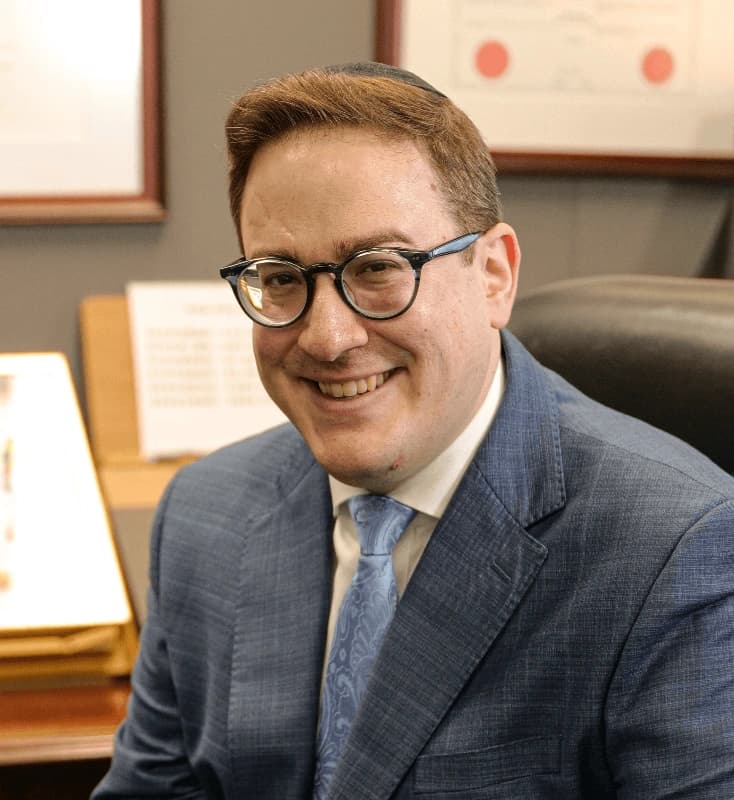
  • Avi Vaturi, Partner

    Senior counsel drafting shareholder agreements with a litigator's eye for the disputes they exist to prevent.
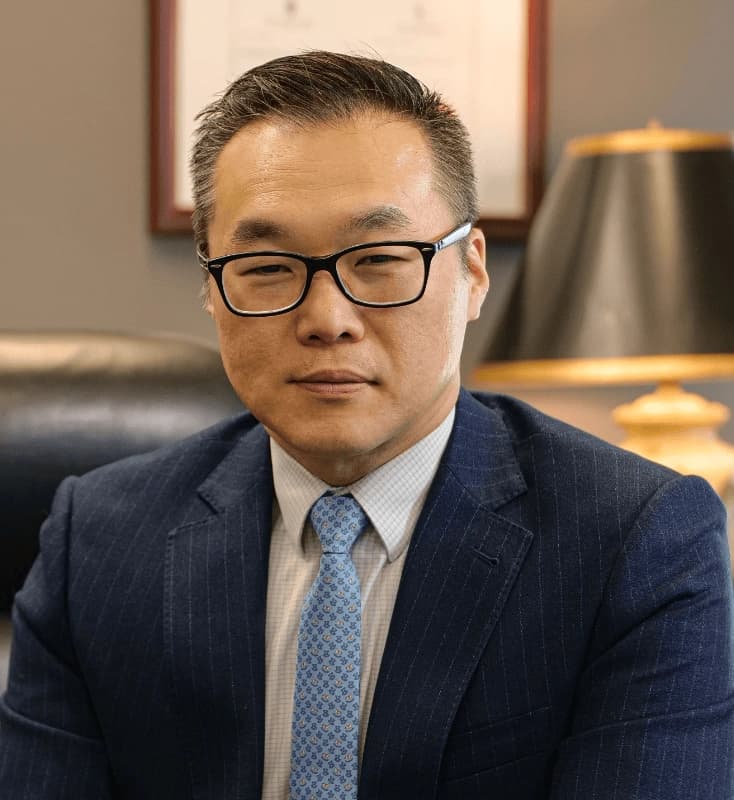
  • Jae Hyon Cho, Co-Managing Partner

    Experienced counsel serving North York's business communities, including Korean-speaking owners, across governance and transactions.
  • Jun Ki Lee, Associate

    Dedicated associate handling rectifications, annual maintenance, registries, and resolutions across North York and the GTA.
  • Allan Weiss, Associate

    Experienced lawyer providing strategic guidance on complex structures, reorganizations, and succession.

Not sure where you stand? One conversation will tell you.

Key metrics

In the numbers

Years combined legal experience
70+
Languages served
8+
OBCA and CBCA corporations served
Both
Fees set out before work begins
Written
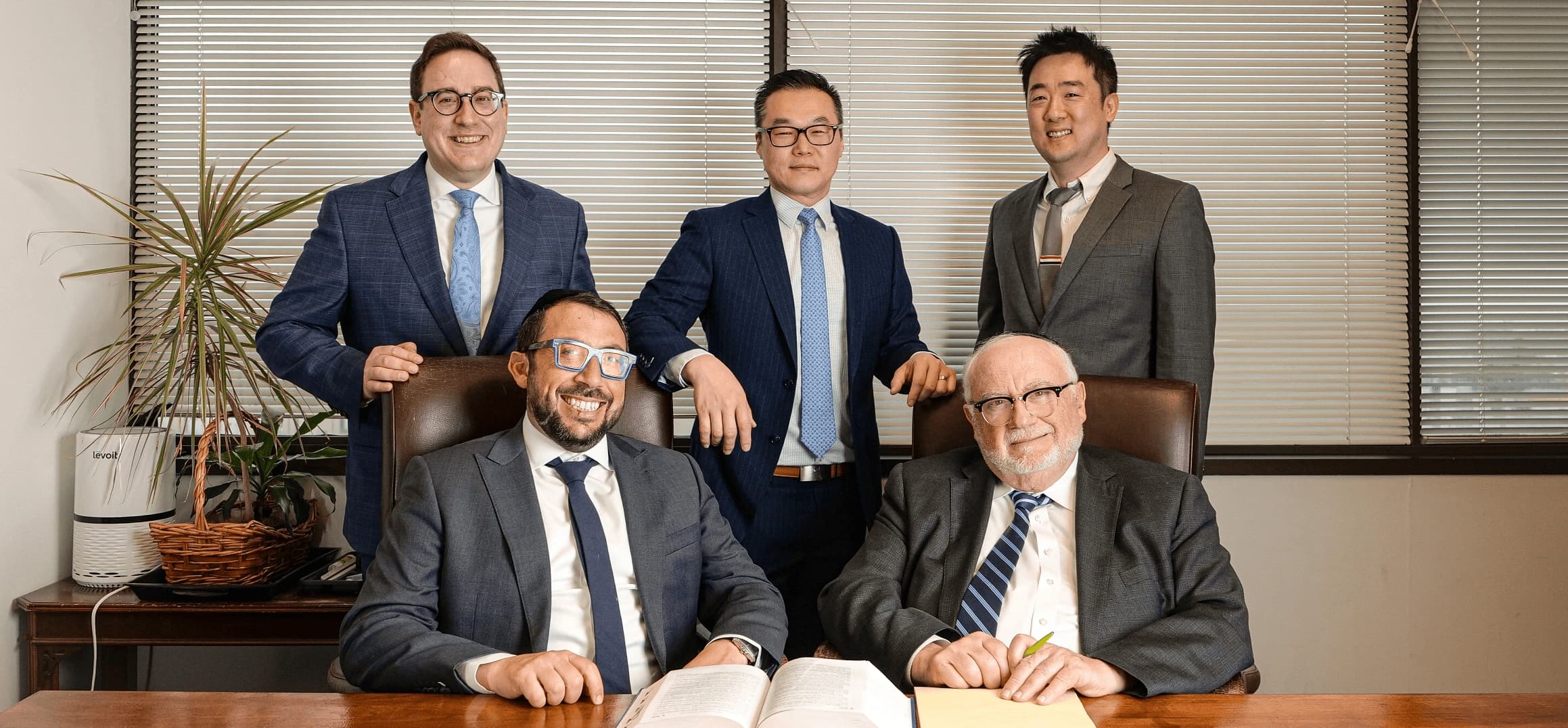
VC Lawyers Toronto legal team, Vaturi & Cho LLP

Talk to us

Your corporation has a paper record. Find out what shape it's in

Bring your minute book, or the honest admission that you are not sure where it is, along with your shareholder situation and your questions. We will tell you what is current and what is missing. We will tell you what the rectification or the agreement would cost, set out in writing, and what can wait. Consultations are billed, and the cost depends on the complexity of the matter.

Office, video, or at your place of business across North York and the GTA.

Book a Consultation

Frequently asked questions

We answered all

  • What is a minute book, and does my small corporation really need one?
    Yes, and it is mandatory. Every Ontario corporation must maintain the official record of its formation, governance, and decisions. That means articles, bylaws, resolutions and minutes, the directors, officers and share-transfer registers, share certificates, annual approvals, and now the register of individuals with significant control. Size does not exempt you. Obscurity just delays the reckoning until a lender, buyer, or the CRA asks for it. Creating or rebuilding one is routine work, scoped and set out in writing before it starts.
  • Our minute book hasn't been touched since incorporation, eight years ago. How bad is that?
    Common, fixable, and worth fixing before someone else discovers it. Rectification rebuilds the record lawfully: resolutions prepared and ratified for the decisions actually made, meaning the dividends, the director changes, and the transfers, with registers corrected, filings trued up, and the transparency register established. Done now it is a quiet cleanup. Discovered during a financing or sale it is a delay, a price adjustment, or worse. No judgment either way, because most owner-managed corporations are exactly here.
  • What's this annual return I keep hearing about, isn't that what my accountant files?
    No, and this is the trap of the decade. Since the registry's modernization, the annual corporate return is separate from your tax return and runs on its own clock: the Ontario Business Registry within six months of fiscal year-end, or Corporations Canada within two months of the anniversary. Unfiled returns flag your corporation delinquent, and persistent delinquency can end in government dissolution by default, including for holdcos owning real property. Status is checkable in minutes. We check it at every health-check and calendar it forever after.
  • Do we actually need a shareholder agreement? There are only two of us, and we get along.
    That is precisely when to write it. Without one, the statute's default rules govern your five Ds, and those rules were written for strangers doing business together, not for partners. The five are death, disability, divorce, default, and departure. On death, your shares pass to your estate, so your co-owner ends up in business with your family. On divorce, the value of your shares is counted in equalization, the calculation that compares how much each spouse's property grew during the marriage and has the spouse who gained more pay the other half the difference. On departure, there is no agreed price for your shares and no agreed way to sell them. Deadlock arrives with no tiebreaker. The agreement is the constitution you write while you still agree: decision rules, transfer restrictions, buy-sell mechanics with a valuation formula, funding that is often insurance, and dispute resolution. Drafted between friends it takes weeks. Litigated between former friends it takes years.
  • What's a unanimous shareholder agreement (USA), and how is it different?
    A USA does something an ordinary shareholder agreement cannot. It lawfully transfers specified powers from the directors to the shareholders, binding current and future holders, which makes the owners' control legally real rather than practically assumed. It is the natural instrument for owner-managed companies where the shareholders are the management and want the paper to match. Whether you need one or an ordinary agreement is a design question we settle in the first conversation.
  • What duties, and personal risks, do I carry as a director?
    Four duties and a defined set of personal exposures. The duties are to act honestly, in good faith, in the corporation's best interests, and with reasonable care and diligence. The exposures come from the statutes, which attach director liability in defined areas, with unpaid employee wages and unremitted source deductions as the classics. The protections are practical: qualified appointments, decisions documented, conflicts declared, indemnities and insurance where warranted, and written, filed resignations when service ends. The ghost director who left years ago in conversation only is still wearing the liabilities.
  • We've been paying ourselves dividends for years without any resolutions. Problem?
    A fixable problem, and a real one if it is left alone. Dividends require authorization, and the paper trail of resolutions and consistent registers is exactly what a CRA review or a diligence team asks for. We paper the current year properly in coordination with your accountant, and we ratify the history in the rectification, so the legal record and the tax filings finally match.
  • My partner transferred some shares to his spouse years ago, we just never did paperwork. Does it matter?
    It matters enormously, and to everyone. Unpapered transfers leave the register, the certificates, the transparency register, the tax position, and the family-law picture all inconsistent. That fog is what estates, divorces, and buyers later litigate. Whatever was actually agreed should be papered accurately now, or formally unwound, while the people who agreed it can still sign.
  • A bank or buyer just asked for our minute book and shareholder agreement. How fast can you make us presentable?
    Quickly, if the facts are assembled. Rectifications are days-to-weeks work, depending on the years and the share movements involved. Agreements draft on the same timeline when shareholders are aligned, and registry status can often be fixed faster still. Tell us the deal's timeline at the first call. Making diligence boring is one of this practice's primary products.
  • What's the oppression remedy I've heard about?
    It is Ontario's broad protection for shareholders, and others, whose reasonable expectations are defeated by how the corporation is run. Think of the frozen-out minority, the diverted opportunities, and the self-dealing board. It is powerful, fact-driven litigation, and our courtroom practice handles both sides of it. Candidly, the entire governance service on this page is the cheaper alternative: agreements and records built so expectations are written down and met.
  • Can you act as our ongoing corporate counsel without us hiring a legal department?
    That is the model. Annual maintenance covers the resolutions, returns, registers, and the book. Scoped work covers the projects, such as agreements, reorganizations, and share issuances. Coordination with your accountant is standing practice, and the firm already knows your file when the urgent question comes. North York's corporations don't need in-house counsel. They need outside counsel who behaves like it.
  • What does all this cost?
    In writing, before work begins. Our fees depend on the matter and the situation, so incorporations, rectifications, shareholder agreements and USAs, and the annual maintenance cycle are each scoped and priced at the health-check. Bigger projects, such as reorganizations and transactions, are scoped before work starts. Consultations are billed. Governance is still the cheapest insurance your corporation will ever buy, and unlike the other kind, you only buy it once a year.

North York corporate governance lawyers
Book a consultation with a North York lawyer

Between the minute book nobody has opened, the annual return nobody knew was separate, the dividends nobody resolved, and the shareholder agreement nobody wrote, most owner-managed corporations are quietly making a bet. The bet is that the financing, the sale, the review, and the falling-out will all arrive never. Governance is just taking the other side of that bet, annually. Consultations are billed, and the cost depends on the complexity of the matter. Fees are set out in writing before work begins.

Toronto Office

Vaturi & Cho LLP

1110 Finch Ave W #310
North York, ON M3J 2T2
info@vclawyers.ca
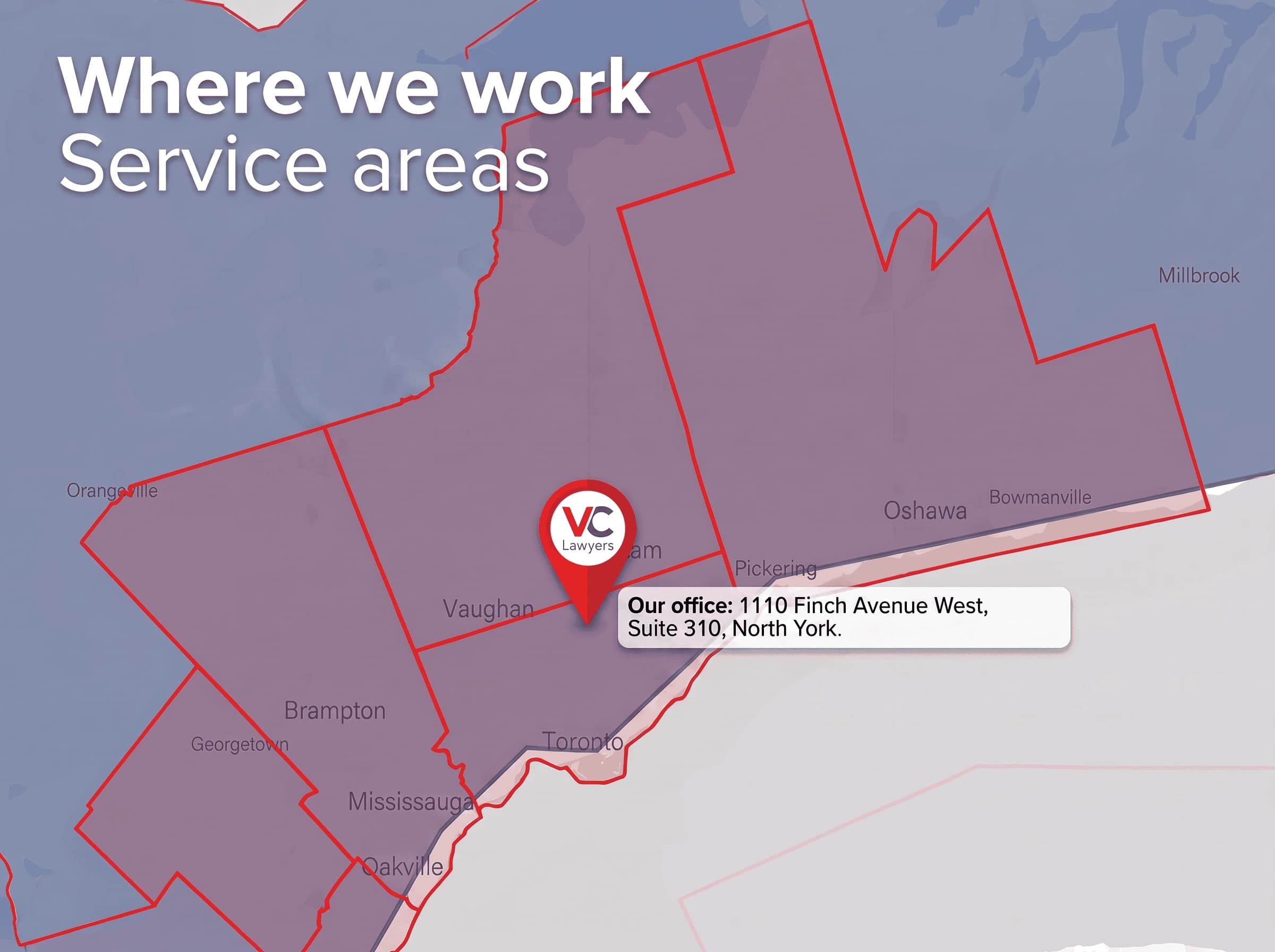
VC Lawyers service area map, Toronto and the Greater Toronto Area, with our North York office marked

Service areas

North York corporate governance lawyers serving every corridor

From our office at Finch Ave W and Keele, we serve corporations across all of North York, including Willowdale, Don Mills, Downsview, York Mills, Bathurst Manor, Lansing, Newtonbrook, Bayview Village, Flemingdon Park, Jane and Finch, Yorkdale and Glen Park, Clanton Park, Parkwoods, and Victoria Village. We also serve neighbouring communities in Vaughan, Thornhill, Richmond Hill, Markham, Scarborough, Etobicoke, and Downtown Toronto.

Whether it is the holding company behind a Finch plaza, the professional corporation on Sheppard, the family business on Keele, or the two-founder company in Willowdale, our North York corporate governance lawyers keep the corporate records current and the partnership properly documented. We meet at the office, by video, or on site, and our office offers parking and TTC access (Finch West Station).

Our office is at 1110 Finch Ave W #310, near Finch and Keele, with parking on site. By transit, take the Finch West LRT or the bus network connecting from Finch West Station on Line 1. If your injuries or circumstances make travel difficult, we come to you at home or in hospital, anywhere in North York.

Related practice areas

Continue exploring